IPHO TUTOR · PRINT & INFORMATION DESIGN · 2021–2026
WORK № 06IPhO Tutor Handbooks
Nine months, one shelf
I wrote, typeset and produced the handbooks for my nine-month physics olympiad course — one volume per month, 1,699 pages in all, each made like a new issue of a monthly magazine.
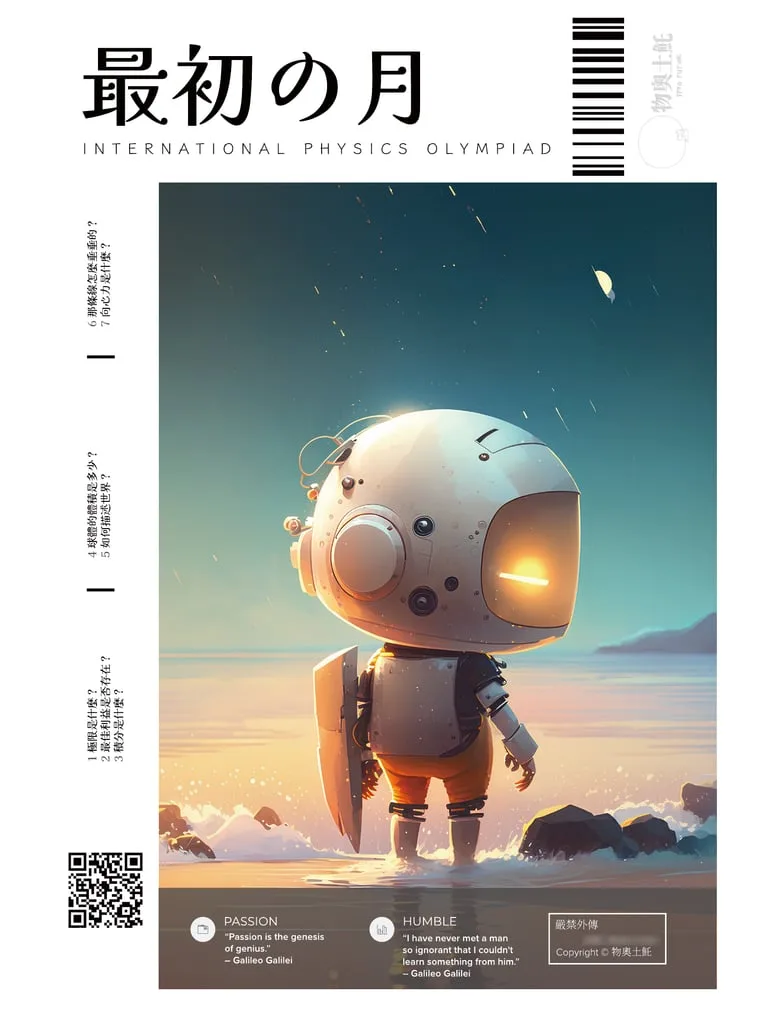
01最初の月
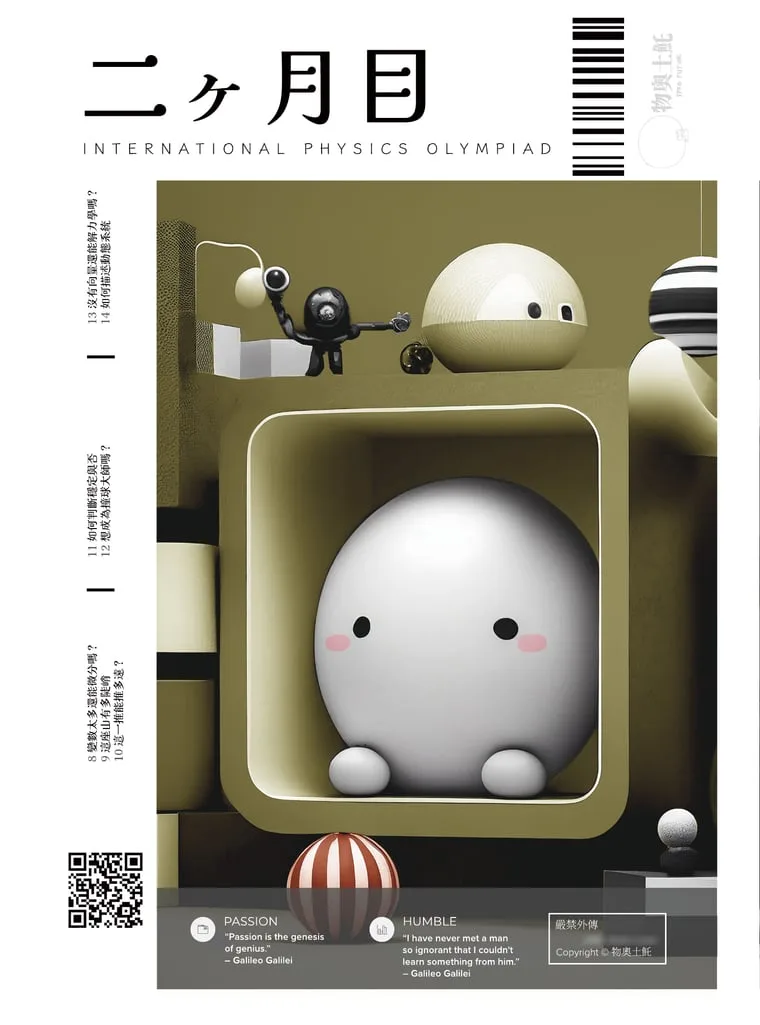
02二ヶ月目
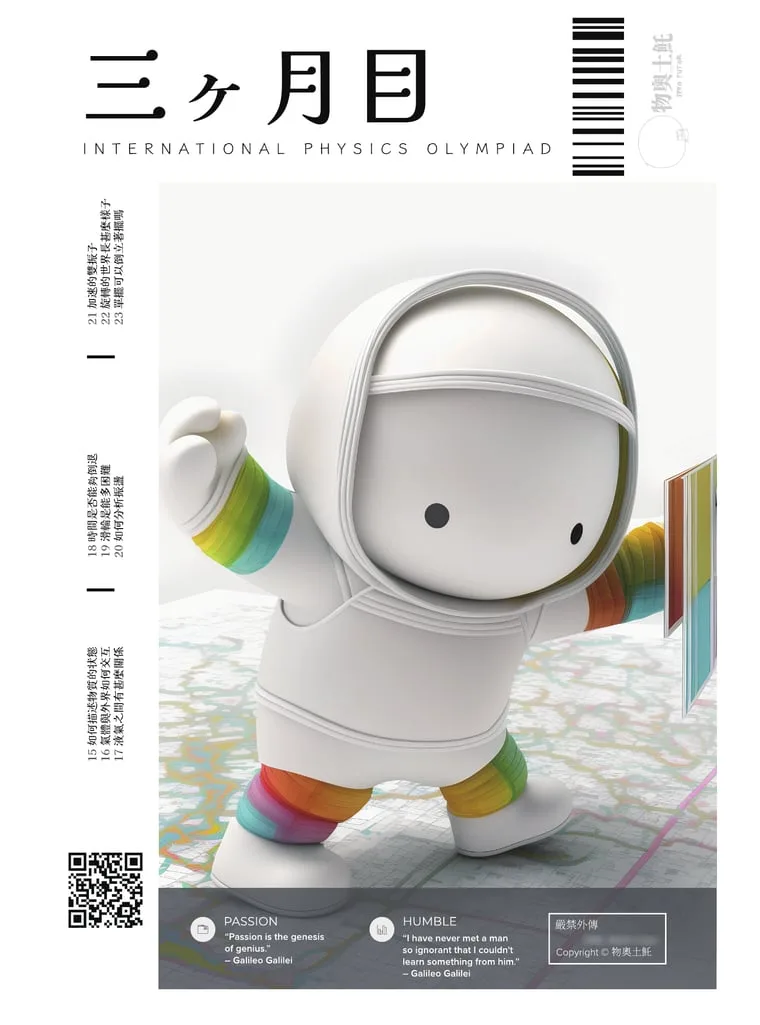
03三ヶ月目
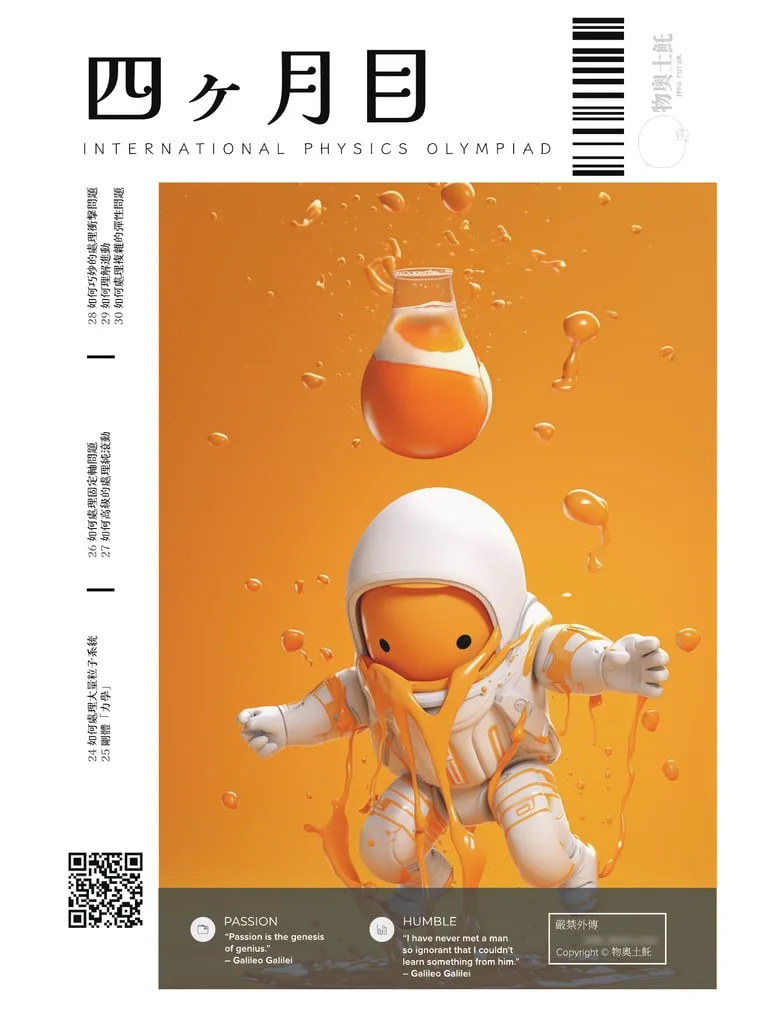
04四ヶ月目
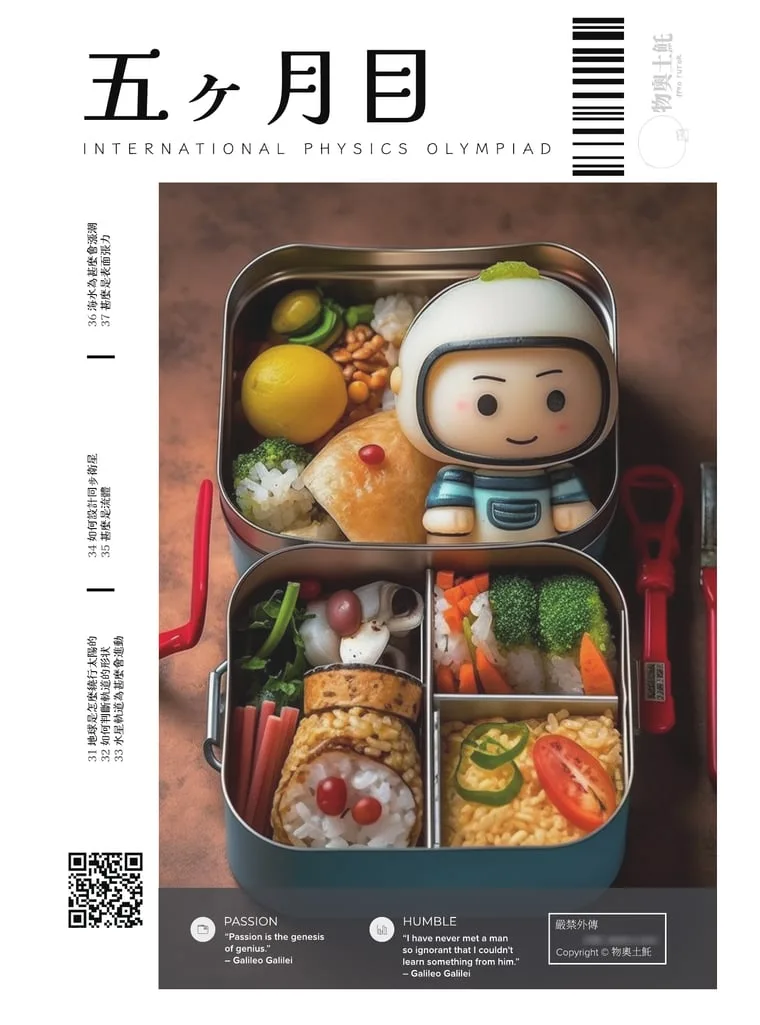
05五ヶ月目
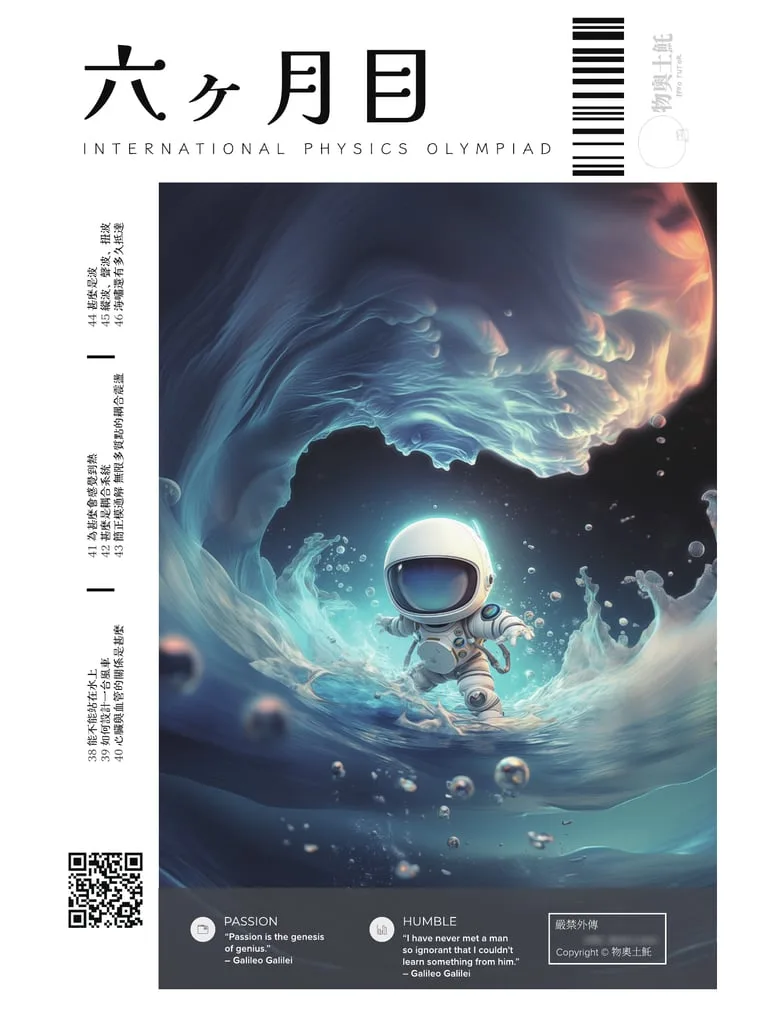
06六ヶ月目
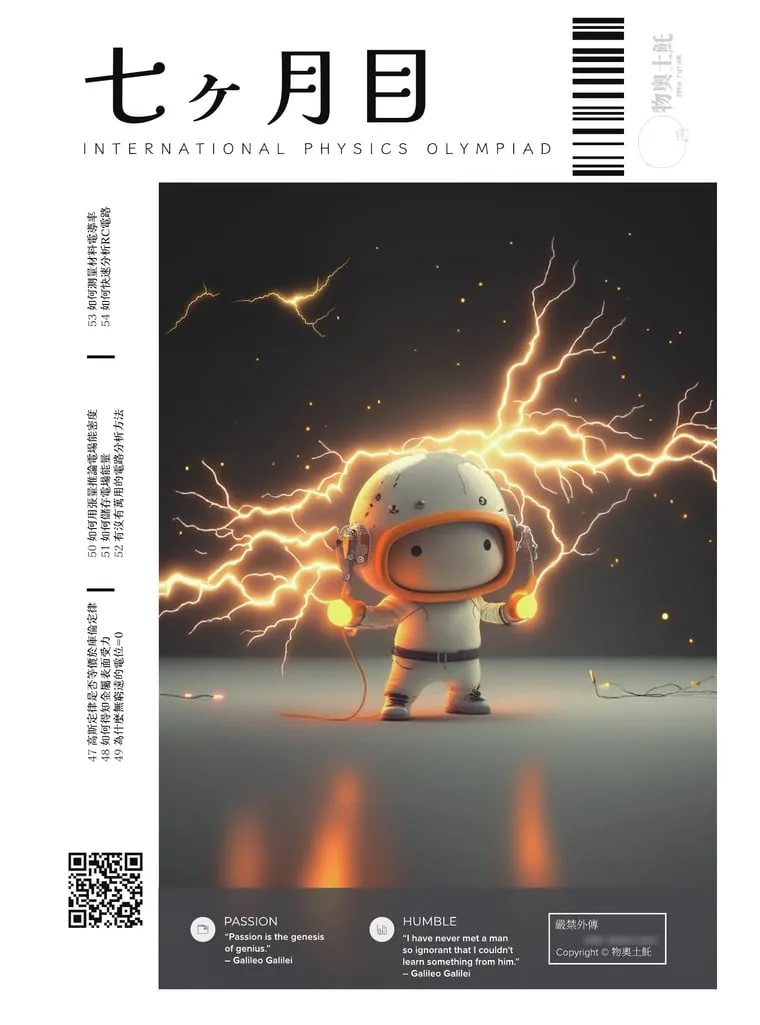
07七ヶ月目
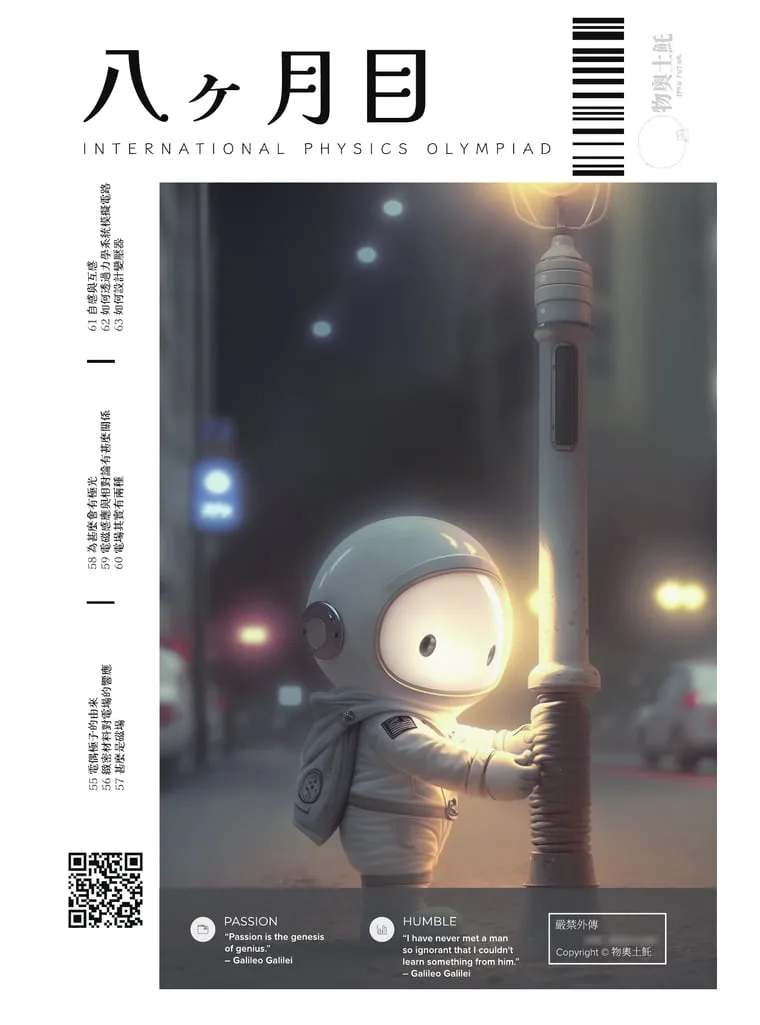
08八ヶ月目
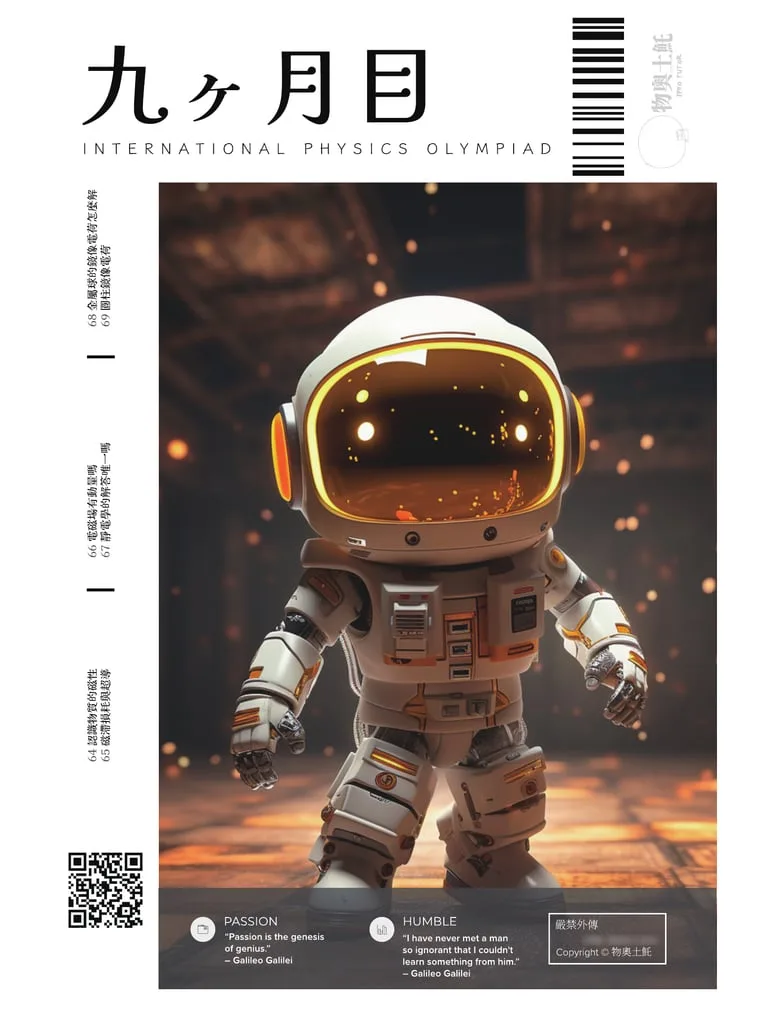
09九ヶ月目
- DATE
- 2021–2026 · printed edition 2024
- CONTEXT
- My own physics olympiad training company, 物奧土魠 (IPhO Tutor). I wrote the handbooks, typeset them and produced the print files.
- ROLE
- Writing · Layout and typesetting · Cover and spine design · Print production
- STACK
- Word → Acrobat Distiller (print PDF) · Photoshop (covers, spines)
- CREDITS
- Cover illustrations generated with Midjourney, one scene per month · Cover layout adapted from a paid, royalty-free template
THE 45-SECOND READ
Olympiad training material in Taiwan was usually black-and-white documents typeset in LaTeX or Word.
DECISIONPlan the course as one volume per month, and make each volume an issue of a monthly magazine — its own cover, color and contents page, with lecture numbers that carry on from one issue to the next.
PRODUCT9 volumes, 1,699 pages, 195 × 263 mm, one volume per month.
STATUSUsed in the course from 2021 to 2025. Students in the course that used these handbooks went on to win three gold medals and one silver at the International Physics Olympiad.
I wanted each handbook to be like a new issue of a monthly magazine — it has its own lead story, and the key visual sets the mood.
ON DESIGNING THE NINE VOLUMES
THE PRACTICE / 01
A course, issued monthly
I had planned one volume for each month of material. The idea of making them a magazine came to me while I was browsing a design-template site.
So the handbooks are styled like a Japanese monthly. The issue names, in Japanese, count the months of the course: 最初の月 (the first month), 二ヶ月目 (the second month), through to 九ヶ月目. Each cover lists that month’s lectures down its left edge, the way a magazine lists its stories. And the lecture numbers carry on from one issue to the next instead of starting over: the fourth month holds Lectures 24–30, the seventh 47–54.
ONE COVER, TAKEN APART — THE SEVENTH MONTH
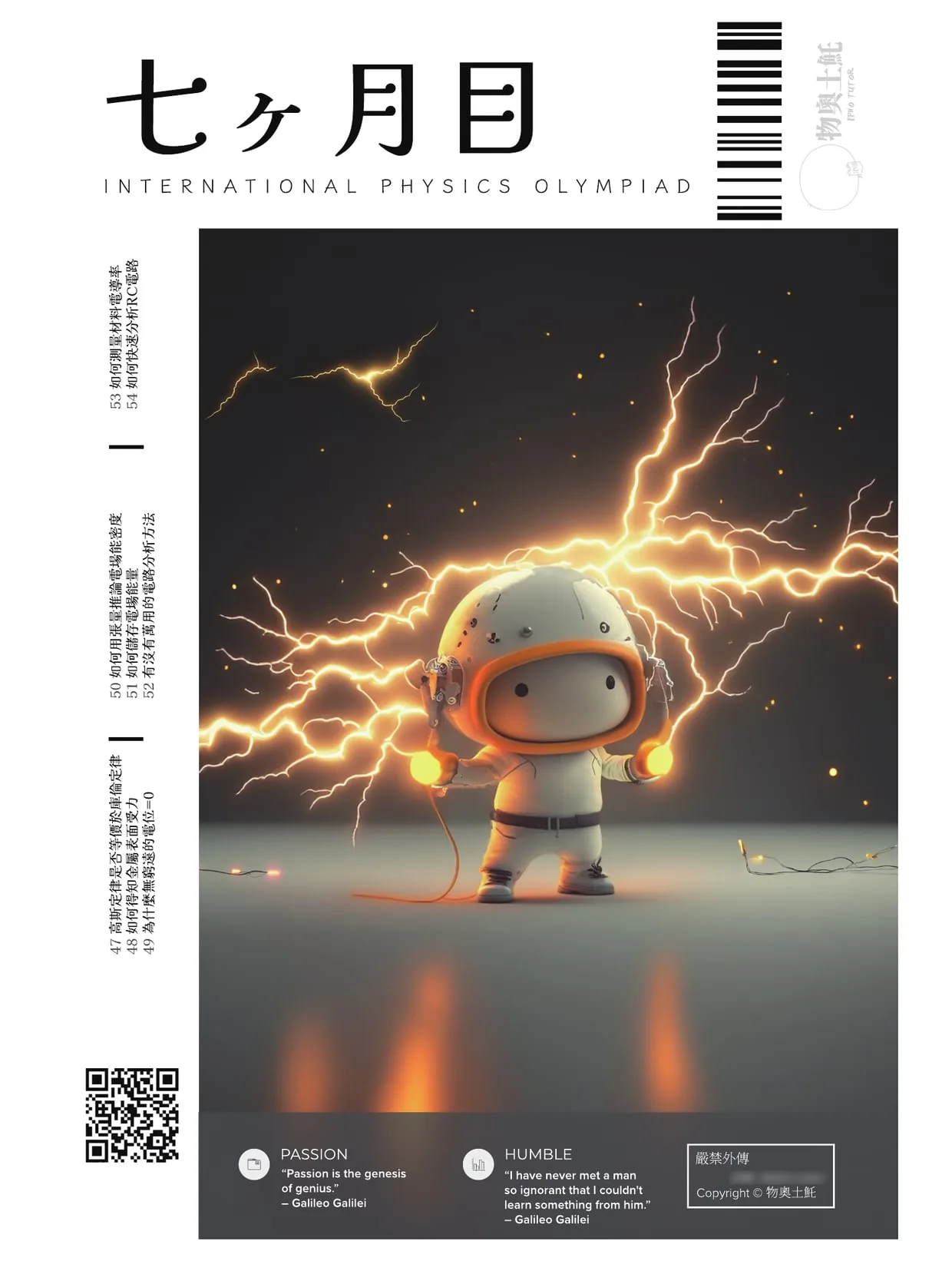
- 01Issue name
七ヶ月目, “the seventh month” — the issue name, in Japanese, counting the months of the course.
- 02Cover lines
This month's lectures, 47 to 54, run down the left edge like the stories on a magazine cover. The numbers carry on from the issue before.
- 03Cover image
Every month's astronaut is in a different scene. The seventh month covers electrostatics and circuits, so it gets lightning. Generated with Midjourney.
- 04嚴禁外傳
“Not for distribution.” The handbooks stay inside the course. On this page the LINE ID in this box is blurred.
THE PRACTICE / 02
Every issue sets its own mood
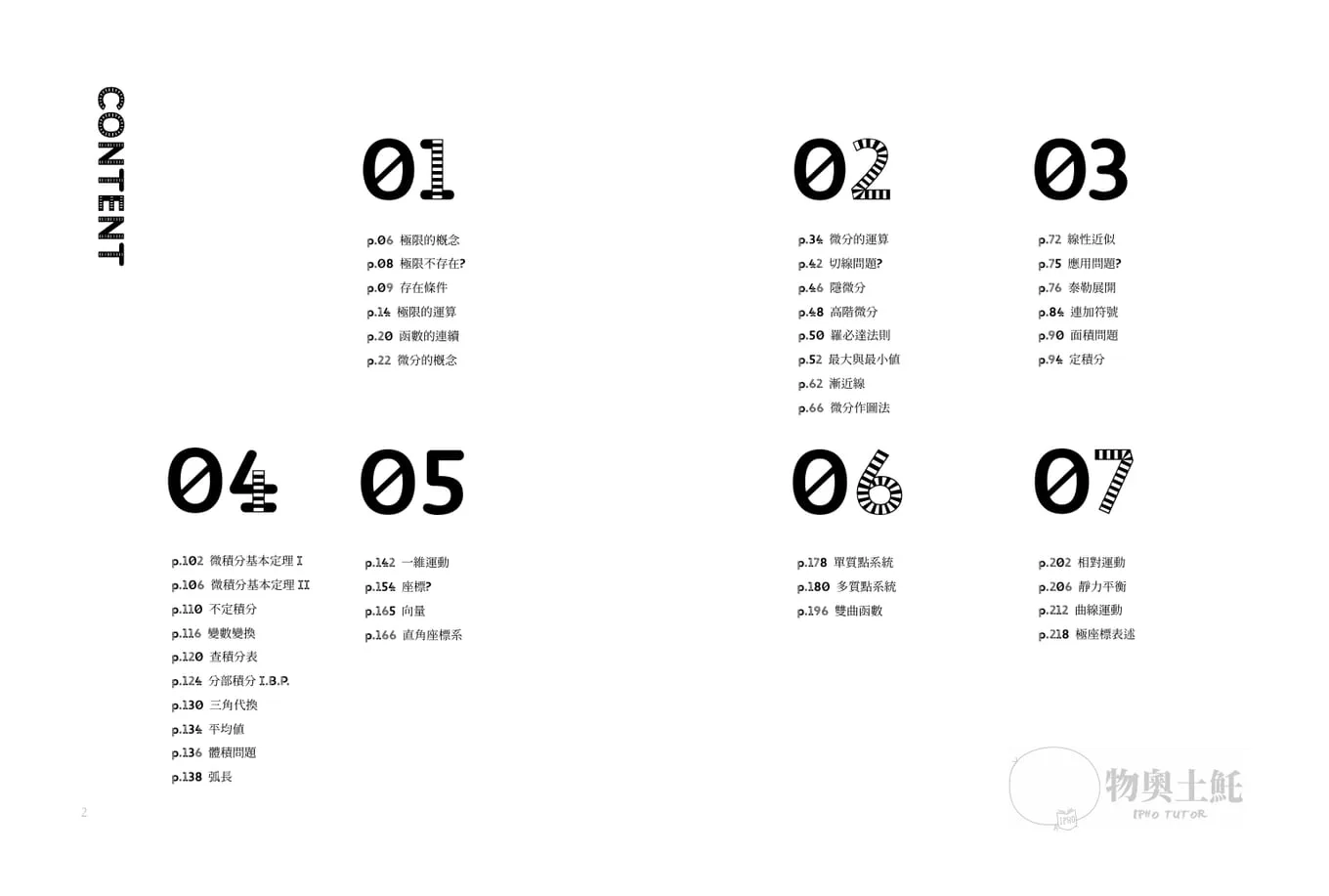
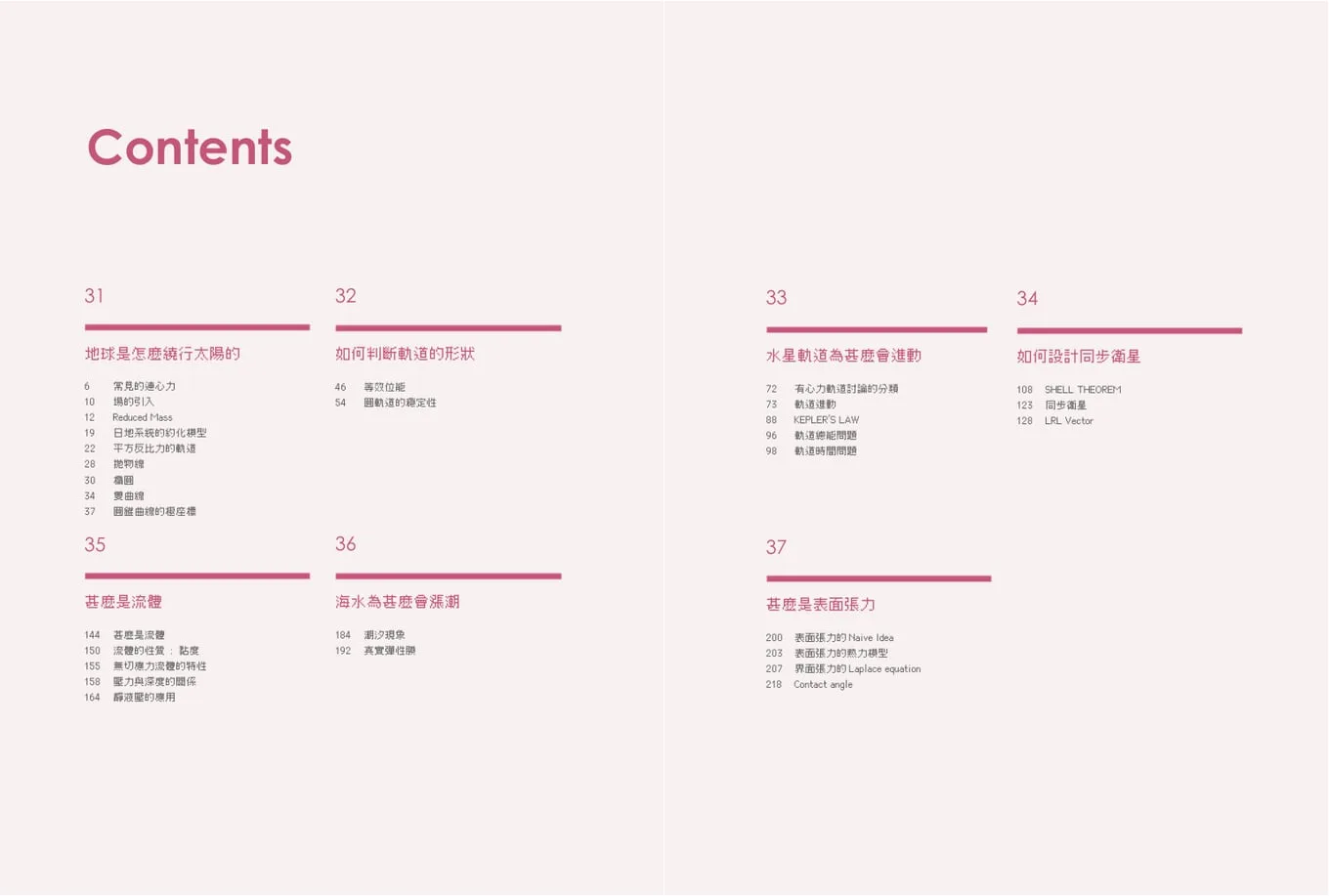
Each volume gets its own color, and the pages that open it — the contents and the lecture openers — are designed again for every issue. The fourth month’s contents use large thin serif numerals; the seventh month’s hang from rules of different lengths.
SAME PAGES, NINE ISSUES
最初の月The first month · 227 pages
二ヶ月目The second month · 171 pages

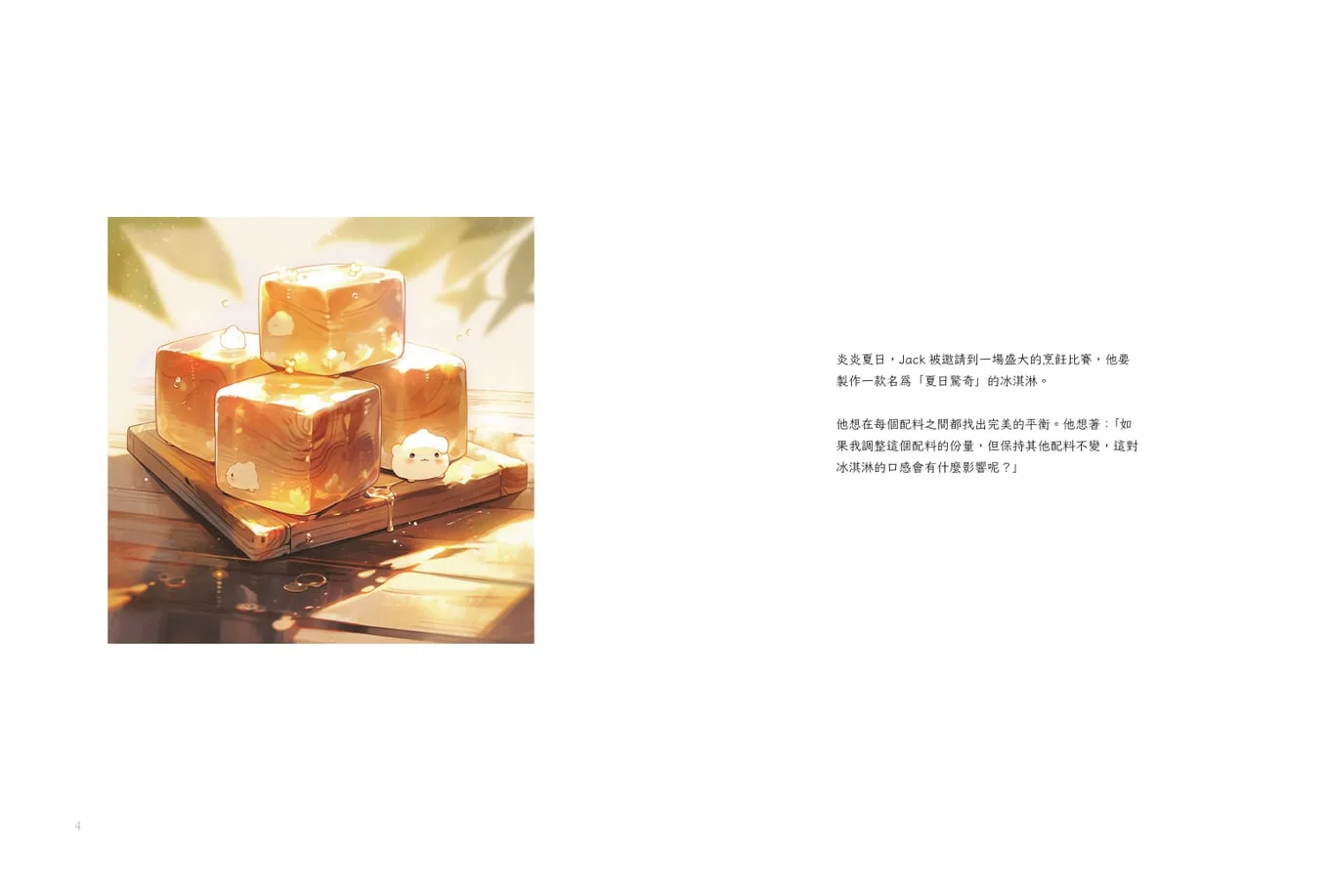
三ヶ月目The third month · 222 pages
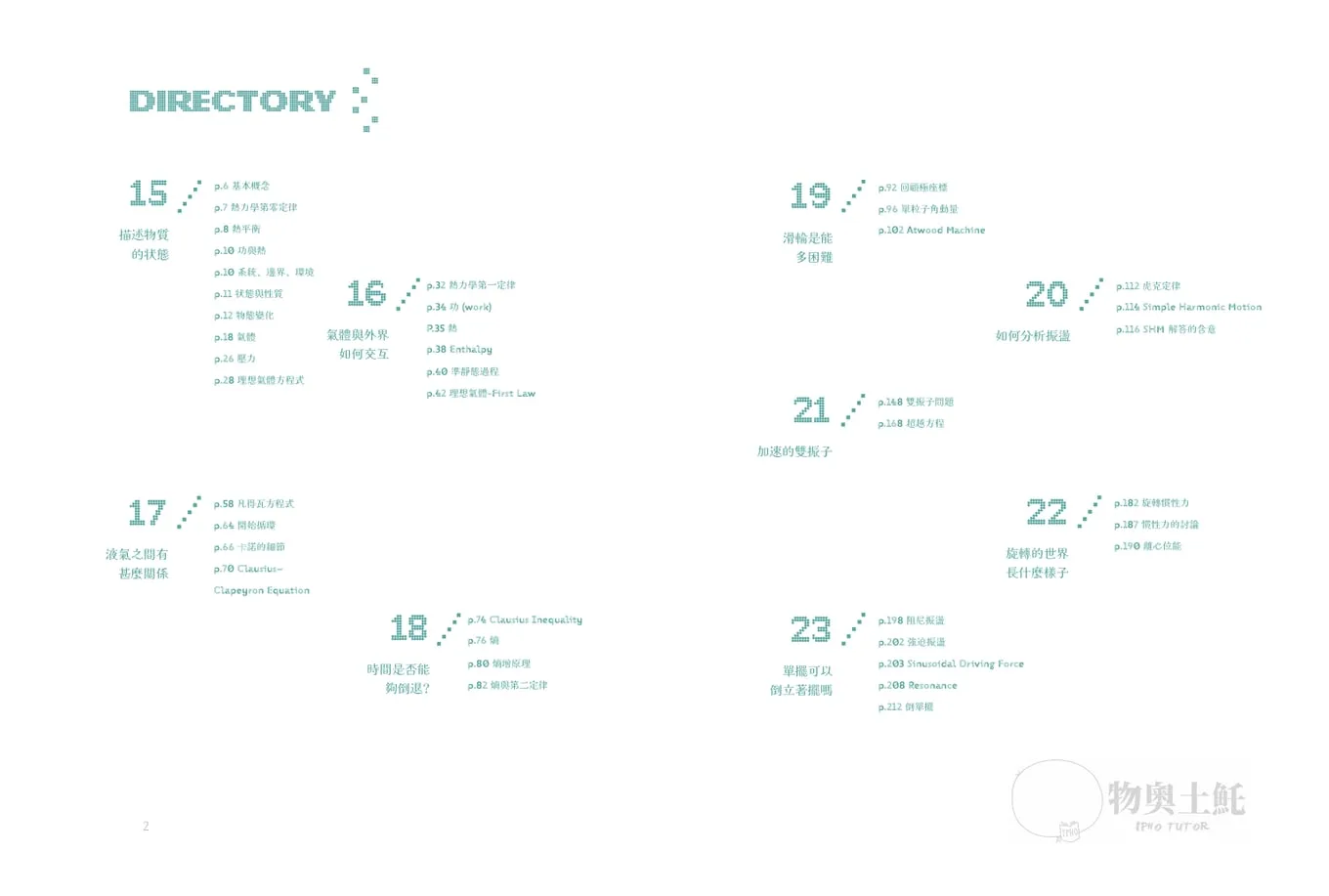
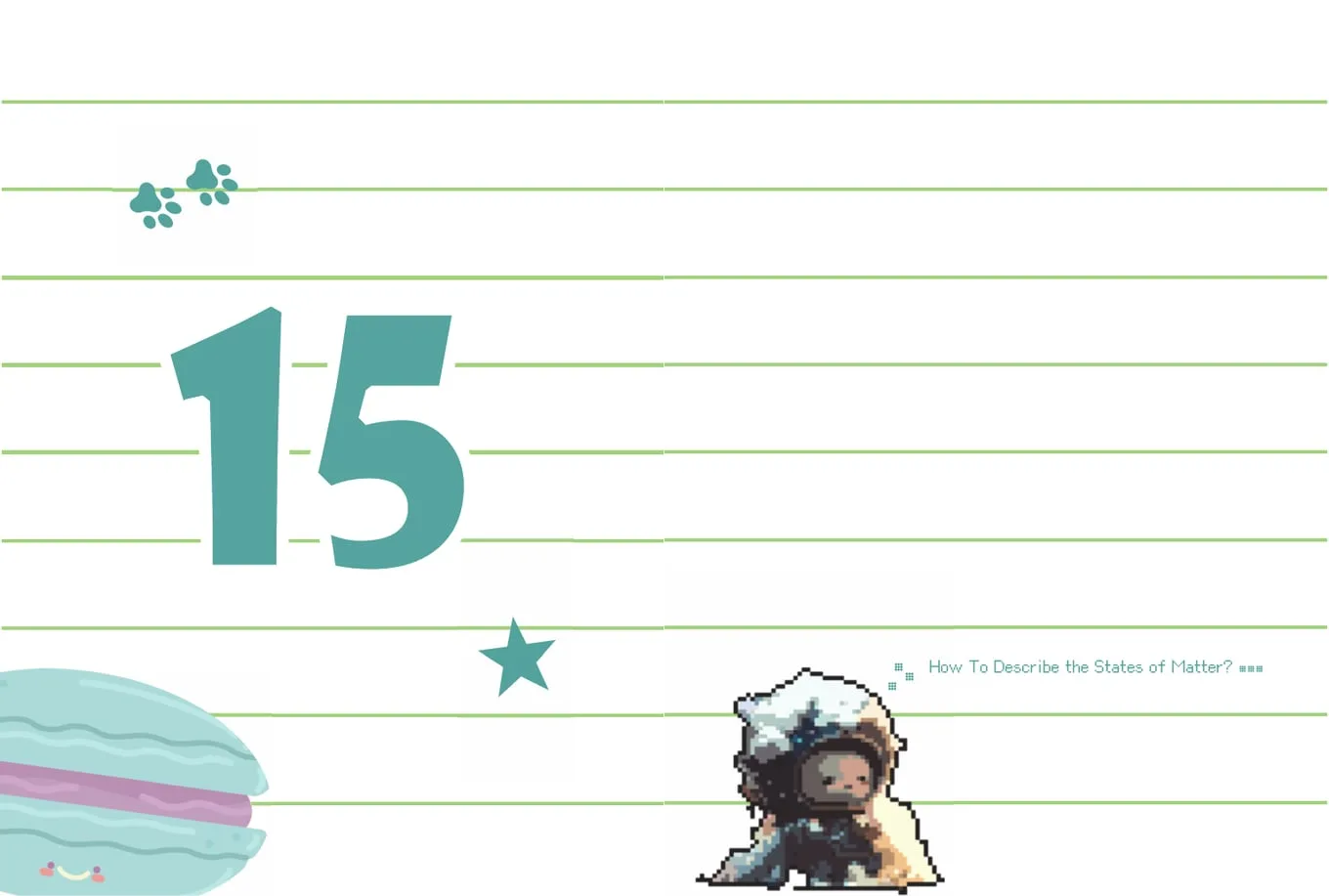
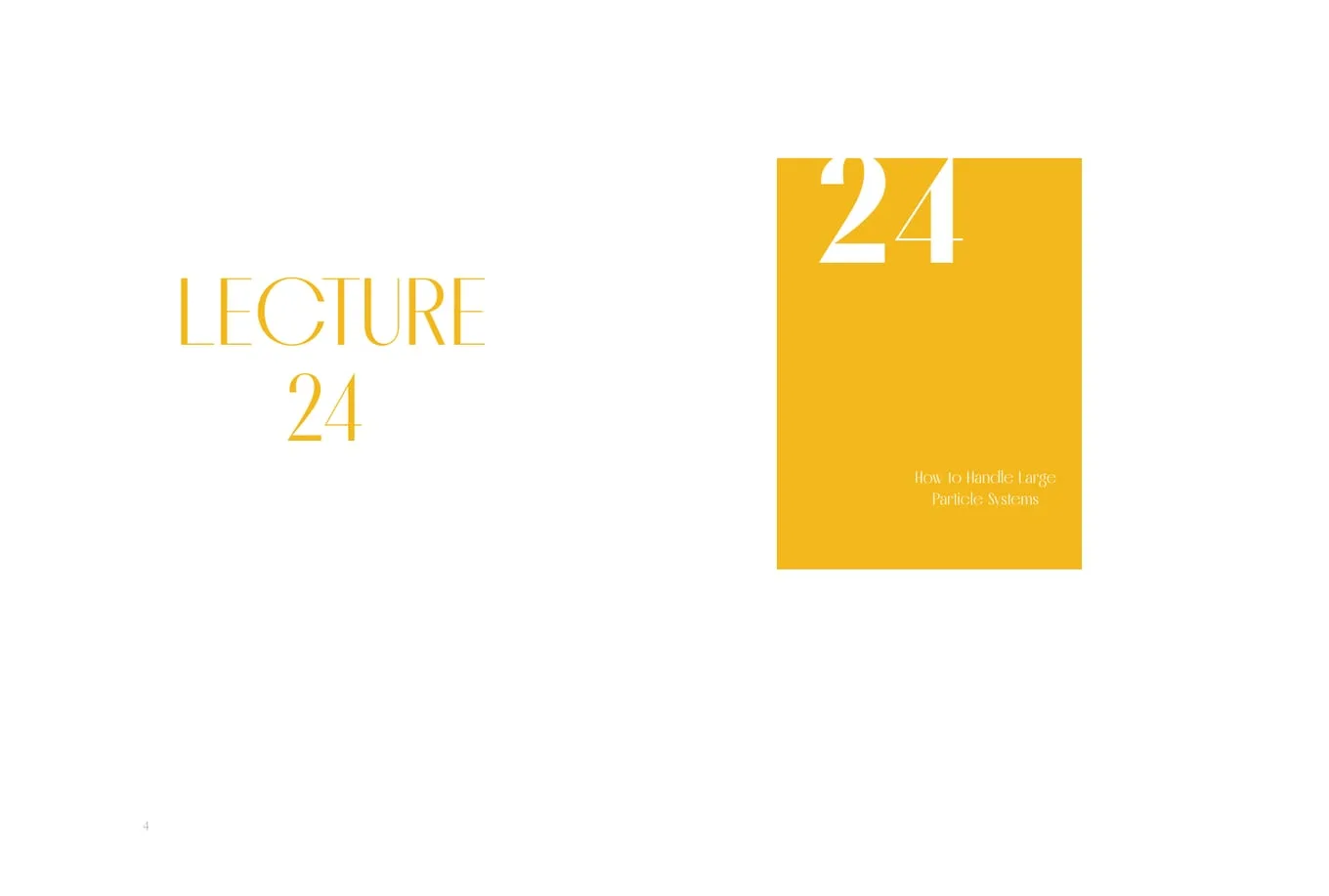
四ヶ月目The fourth month · 153 pages
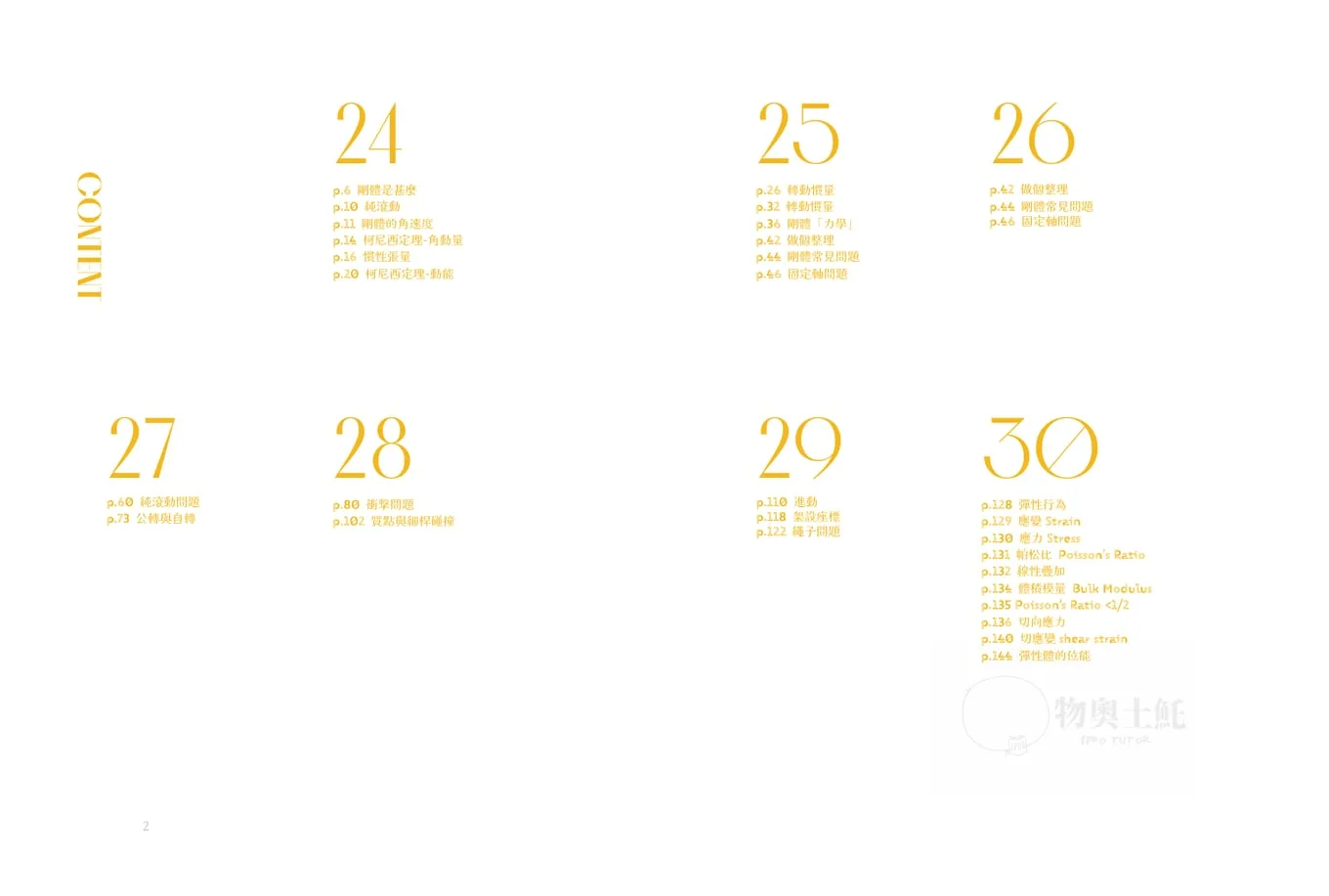
五ヶ月目The fifth month · 231 pages
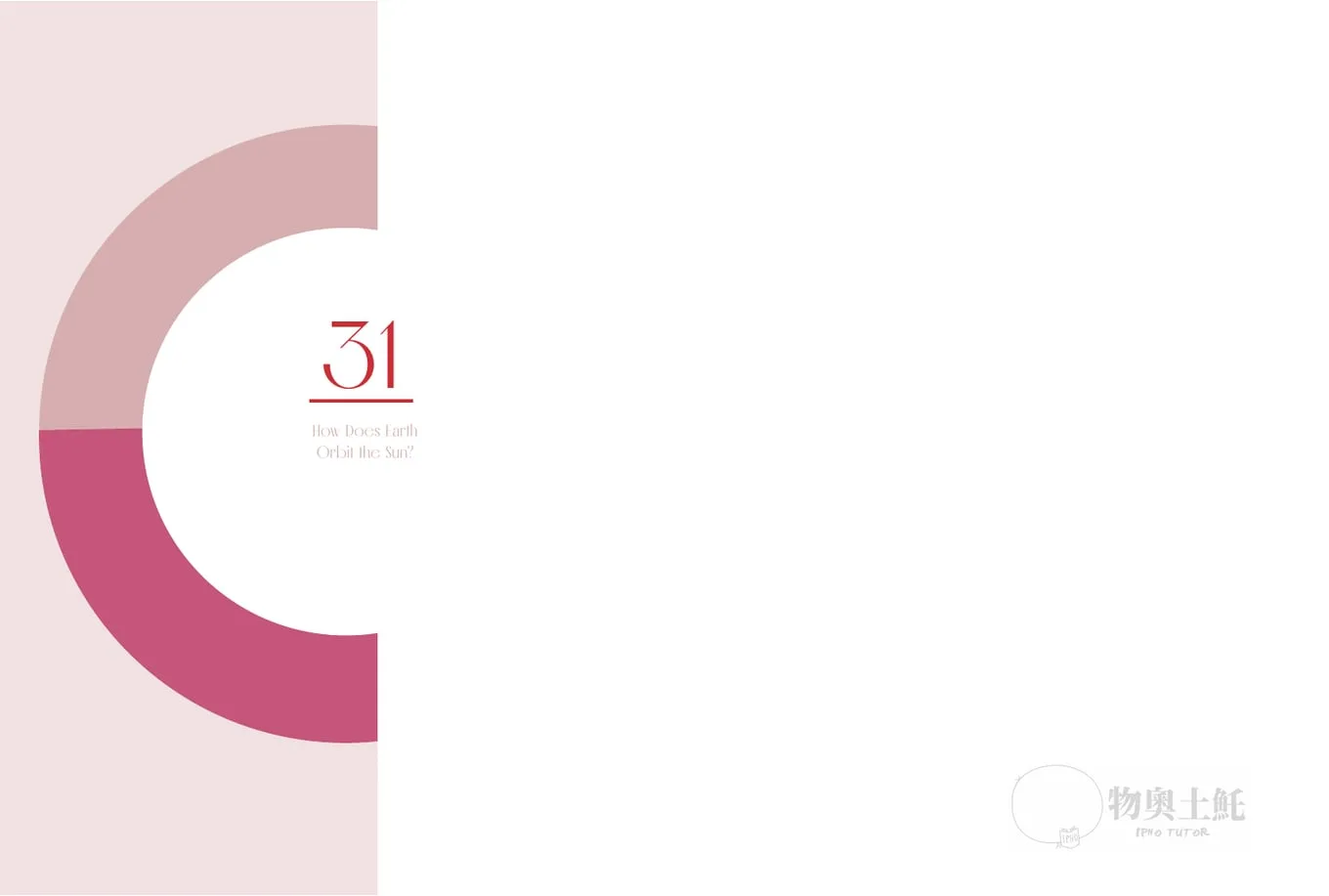
六ヶ月目The sixth month · 259 pages
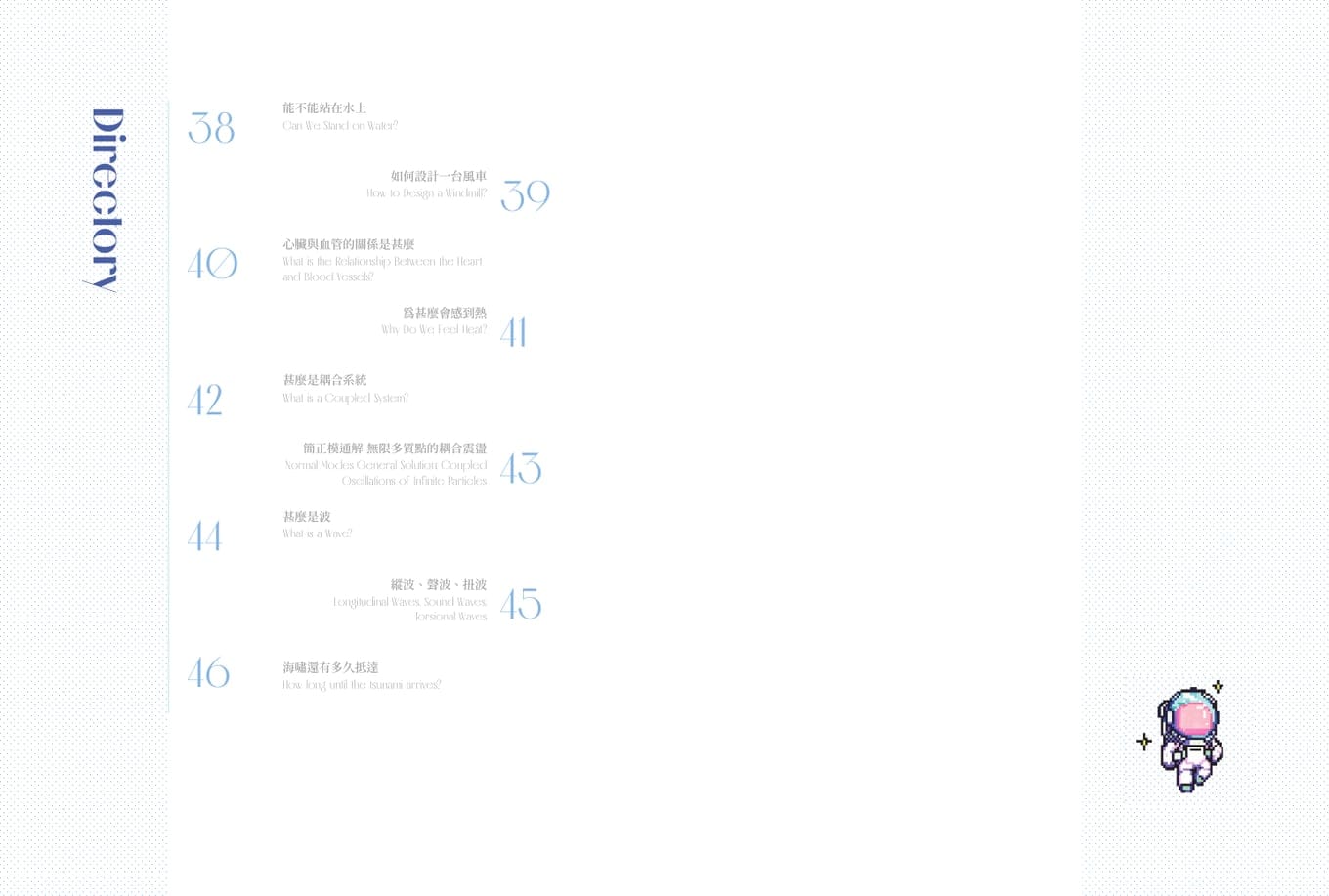
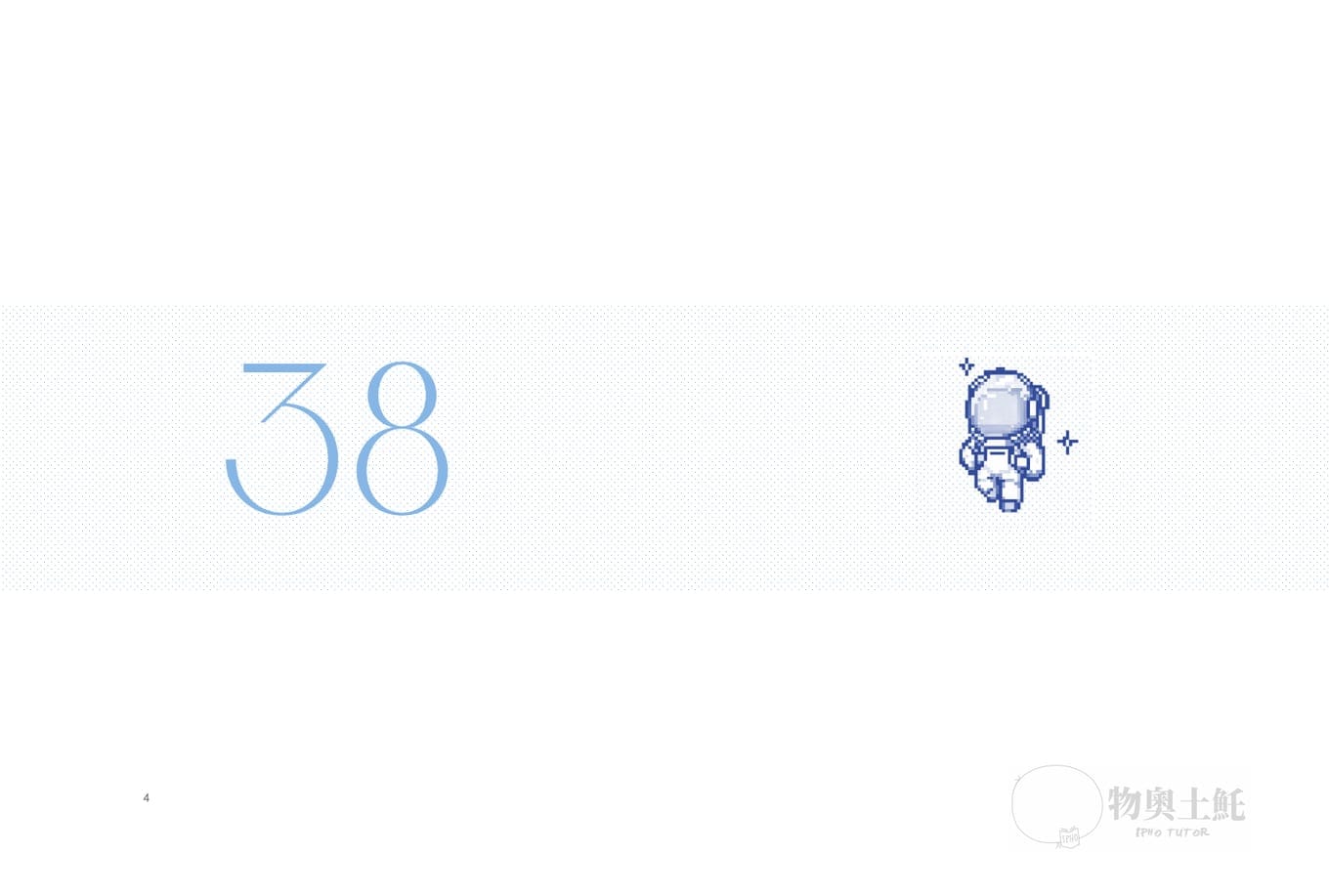
七ヶ月目The seventh month · 135 pages
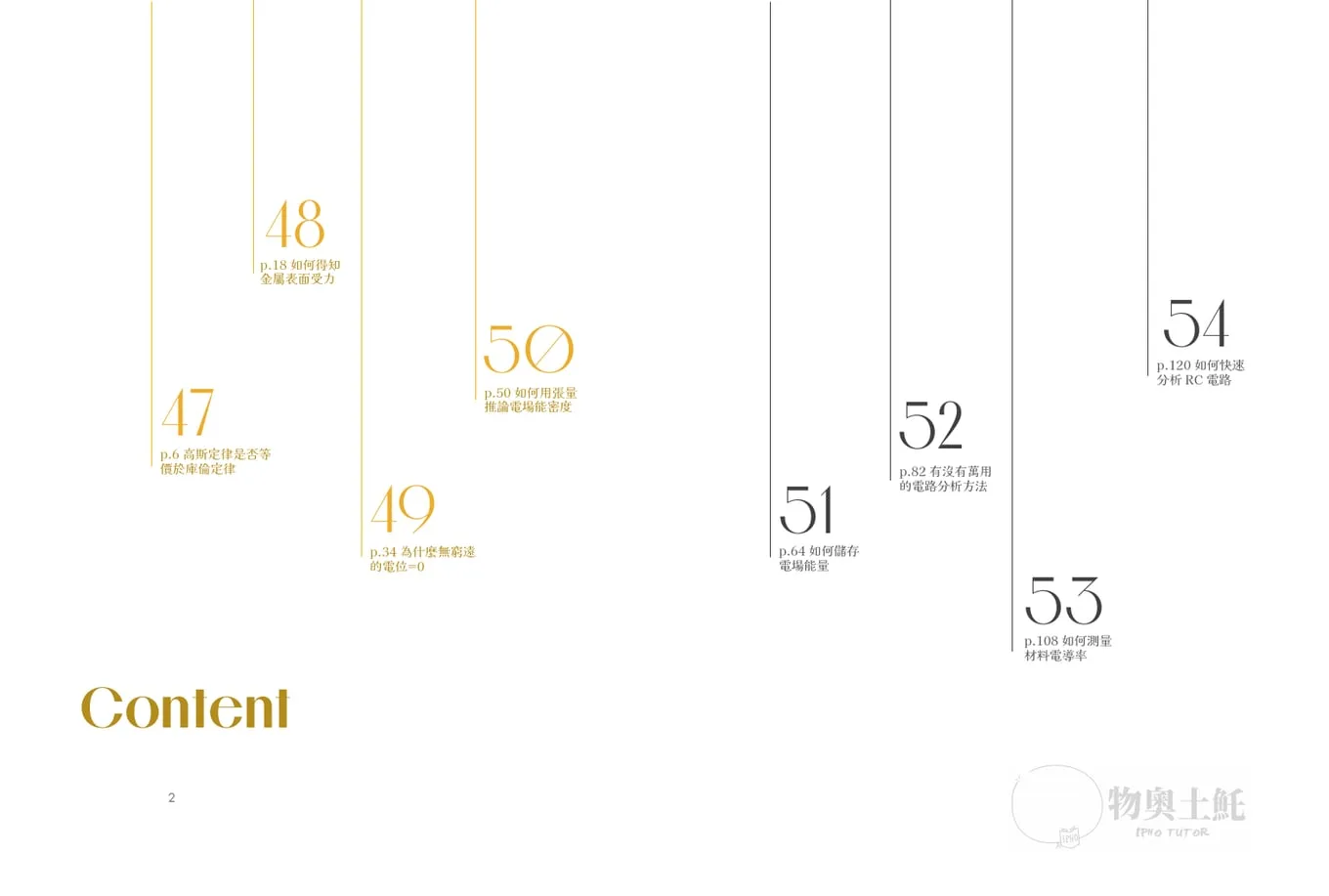
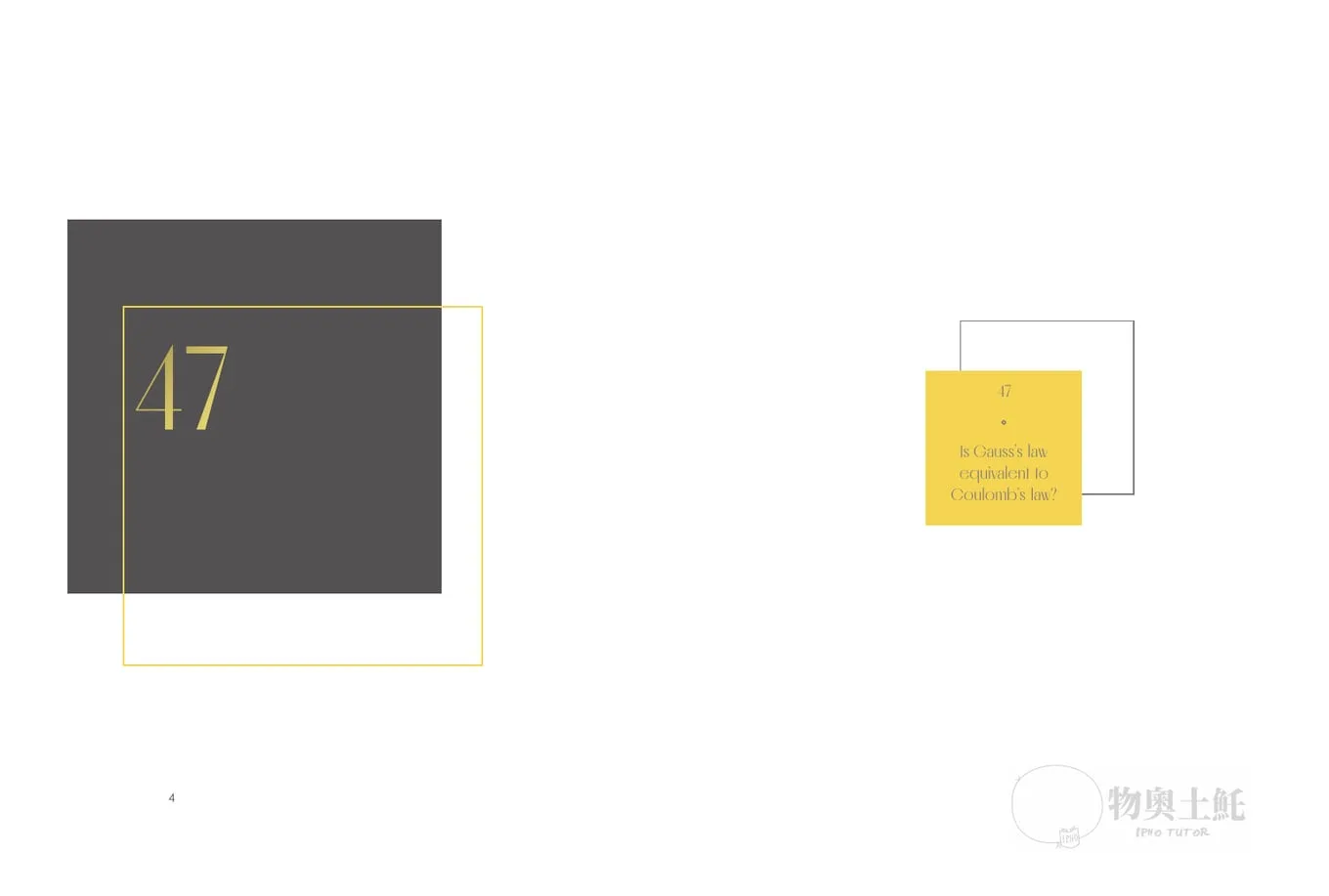
八ヶ月目The eighth month · 202 pages
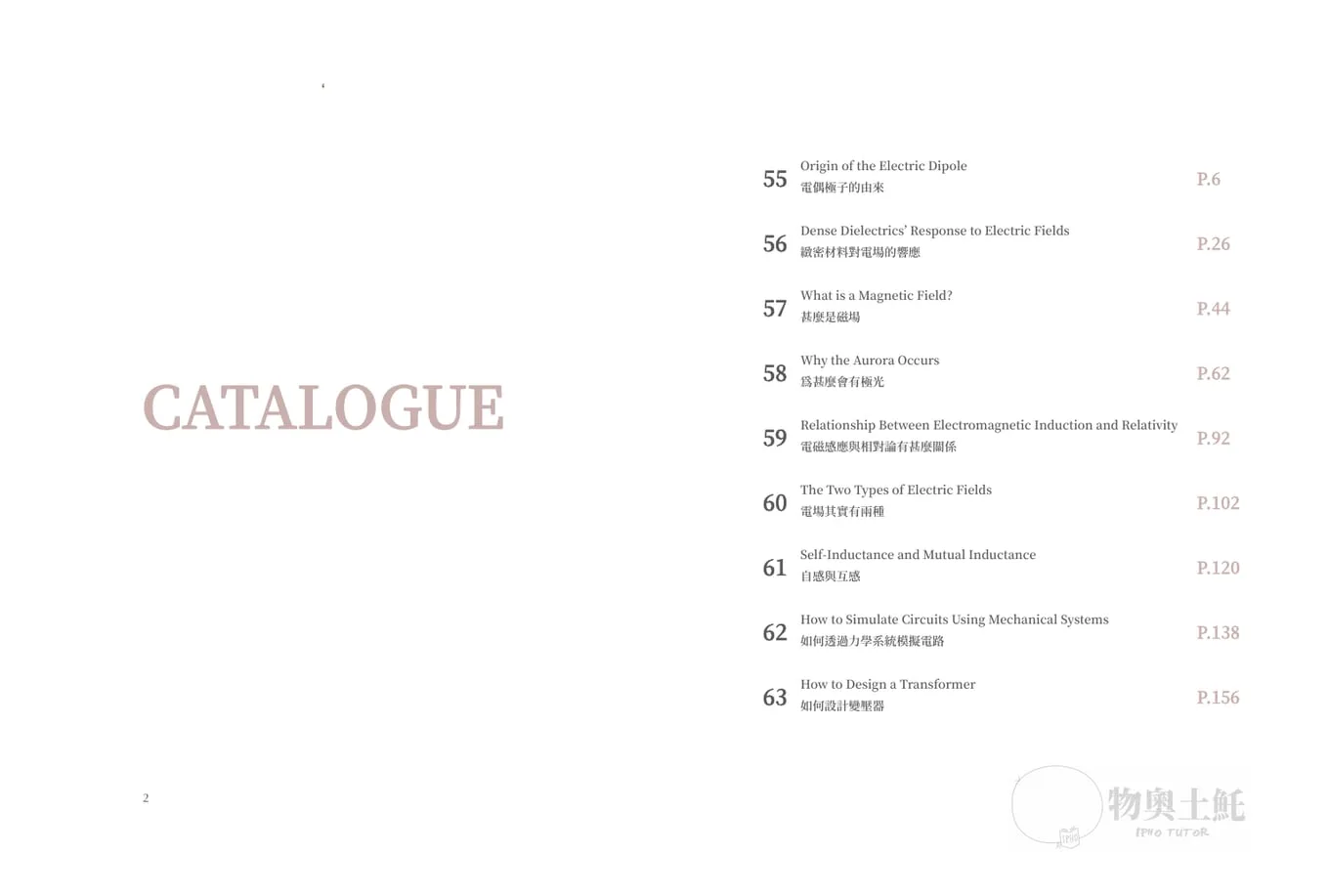
九ヶ月目The ninth month · 99 pages
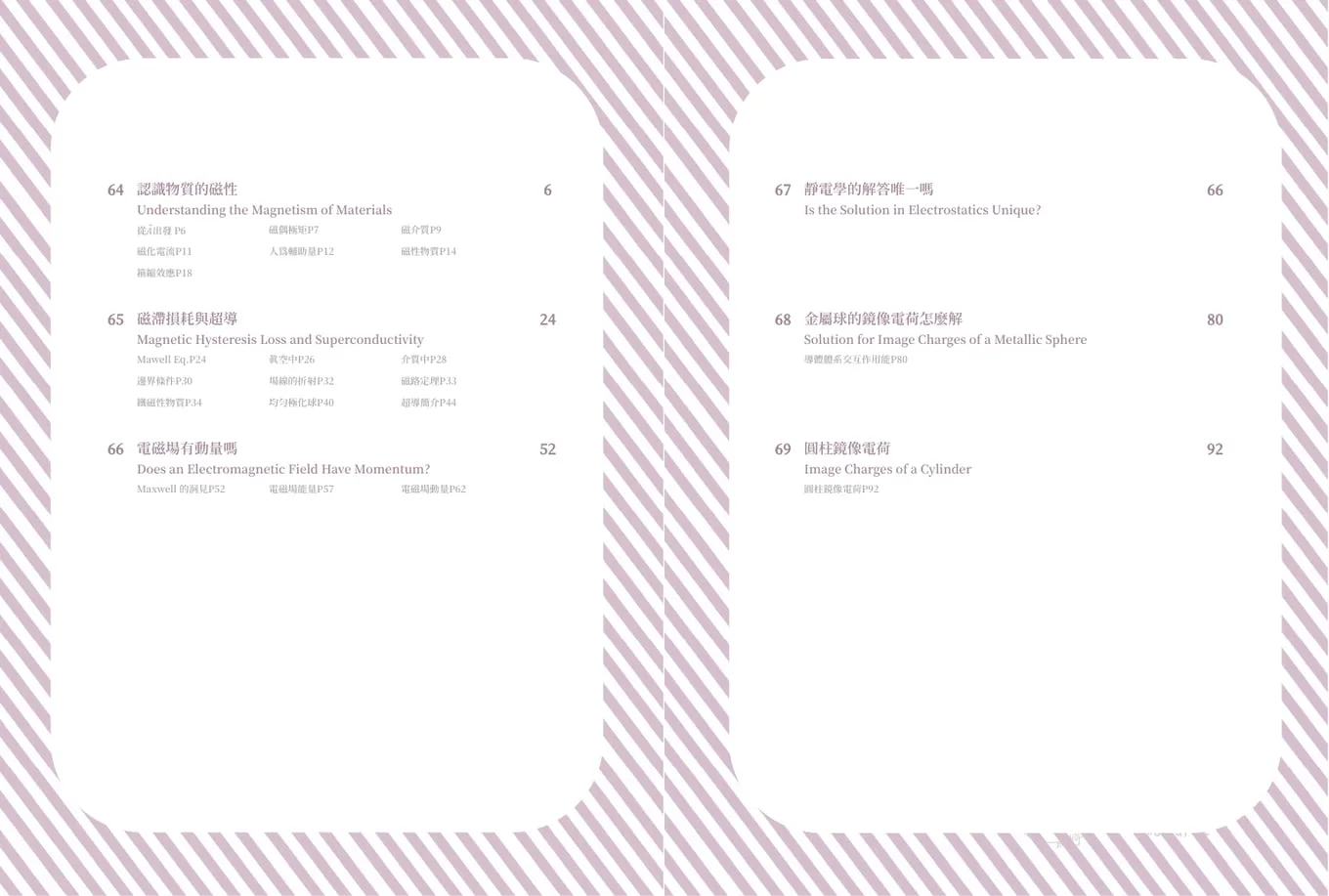
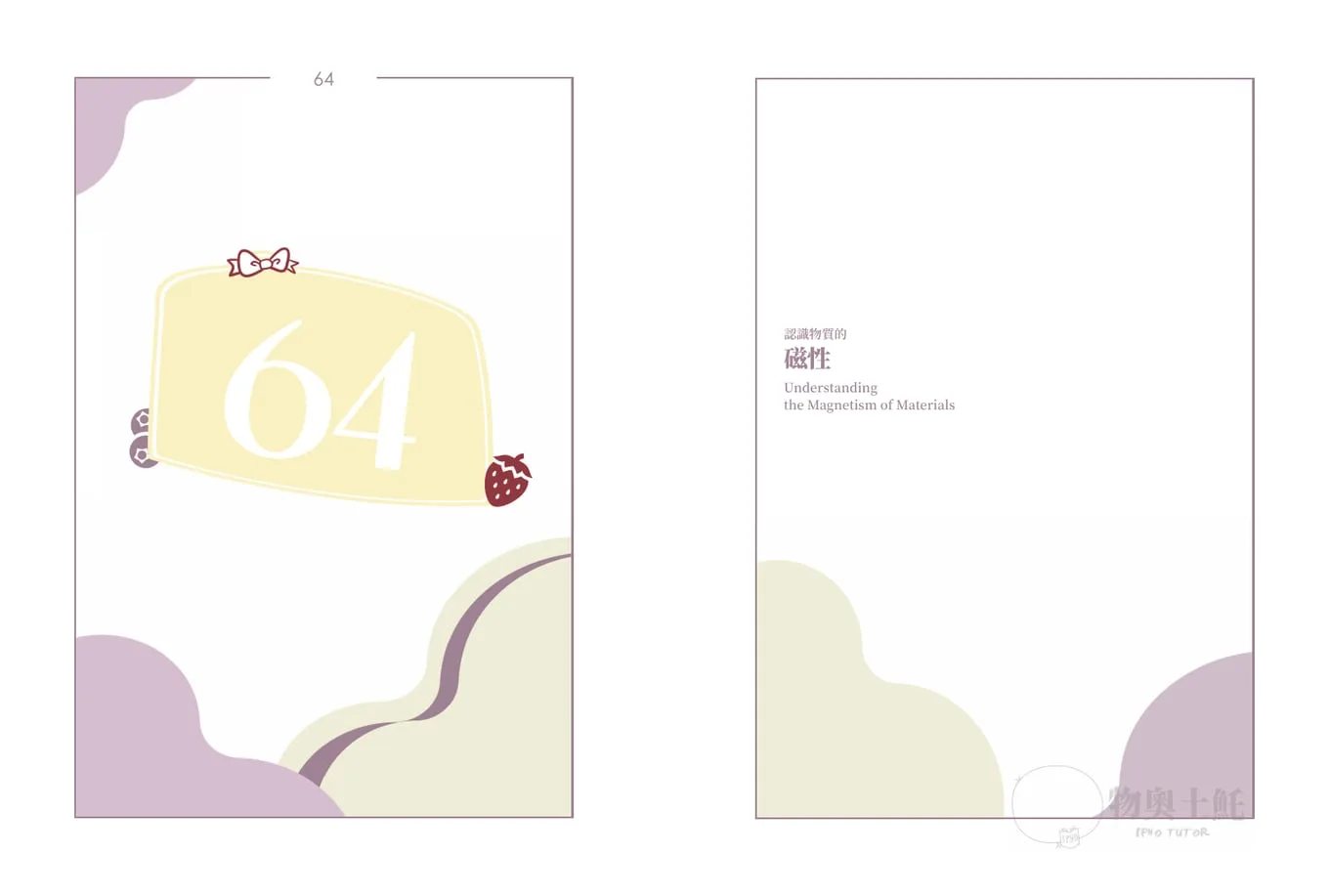
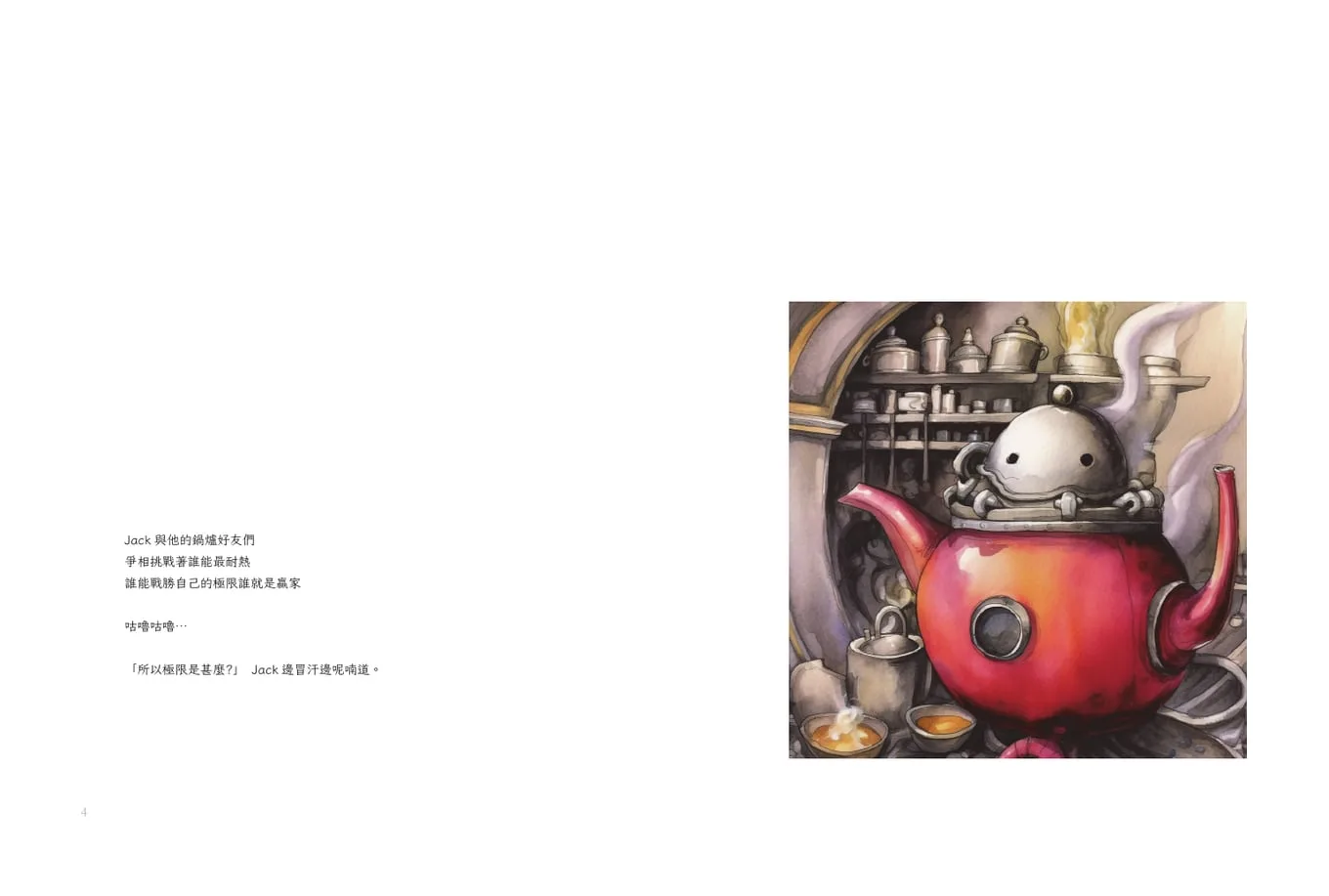
Pages 2–3 and 4–5 of every volume — the contents and the first lecture's opener. Pick a month to compare.
THE PRACTICE / 03
An index you can see from outside
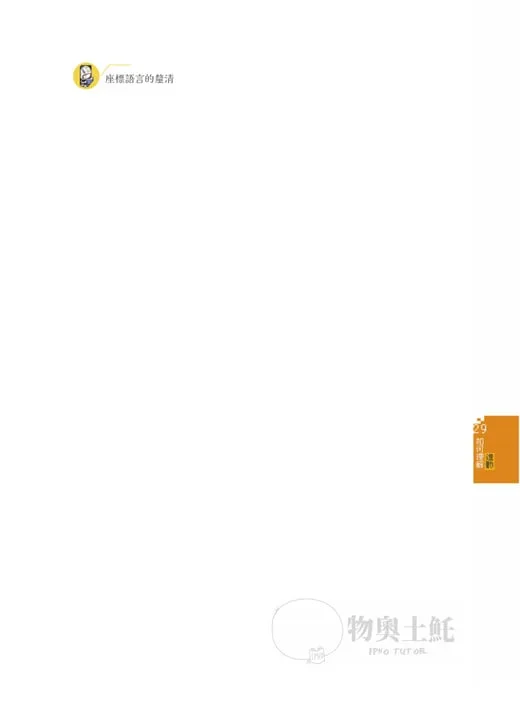
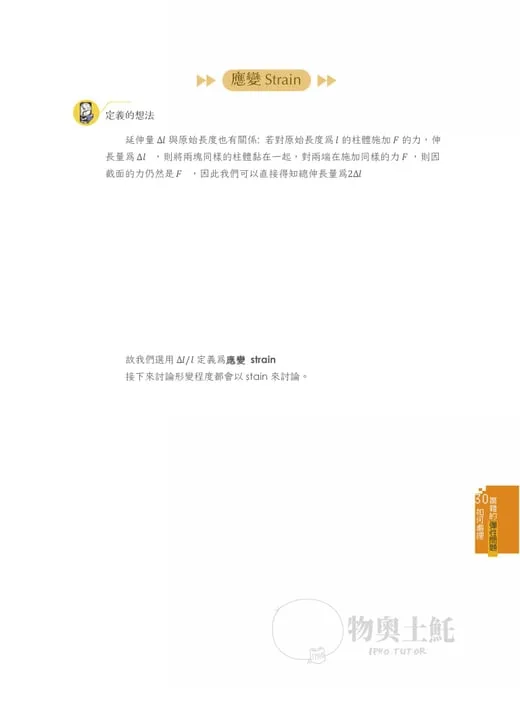
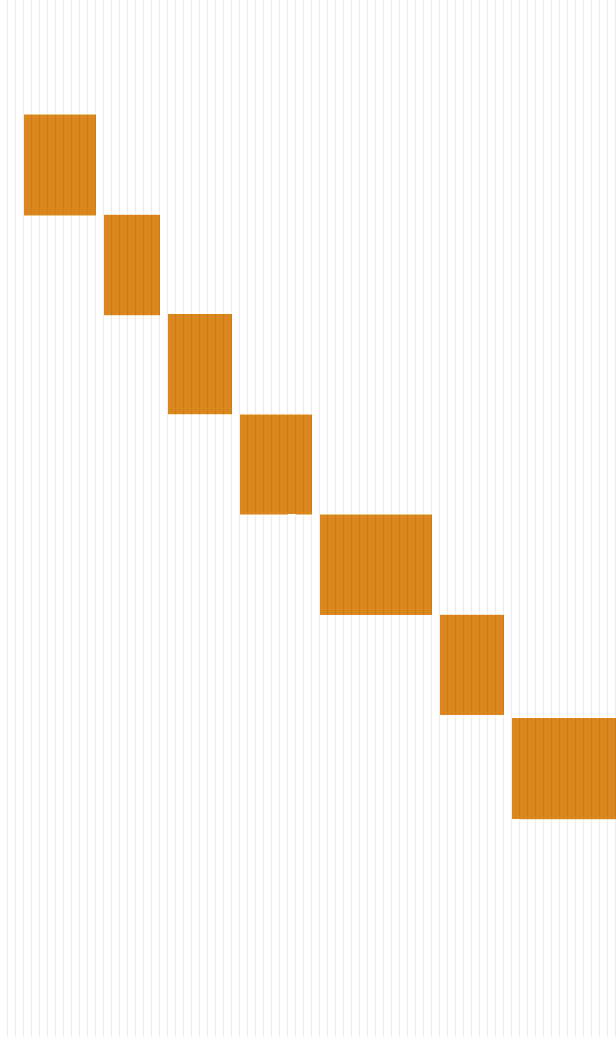
On the right-hand pages of each lecture, a tab on the outer edge carries the lecture’s number and title in the volume’s color. With each new lecture the tab moves one step down the page.
Once the books are trimmed, the tabs show from outside. Look at the edge opposite the spine and each lecture is its own block, each one a step below the last.
THE FORE-EDGE — THE FOURTH MONTH, LECTURES 24–30
 24252627282930
Hover or tap a page to find its block on the edge.
THE PRACTICE / 04
Room to write, and the handwriting kept
Examples are followed by a lot of empty paper. That is on purpose: some students write large.
Some pages are handwritten in blue, red and green. My first handouts were all written by hand; I wanted them to carry some warmth. As the course grew and became more systematic, that had to change, so I pasted the earlier handwritten notes into the typeset books as images.
ONE LECTURE, PAGE BY PAGE — THE SEVENTH MONTH, LECTURE 47
- Opener
- Lesson
- Example + space
- Handwritten
01PP. 4–5
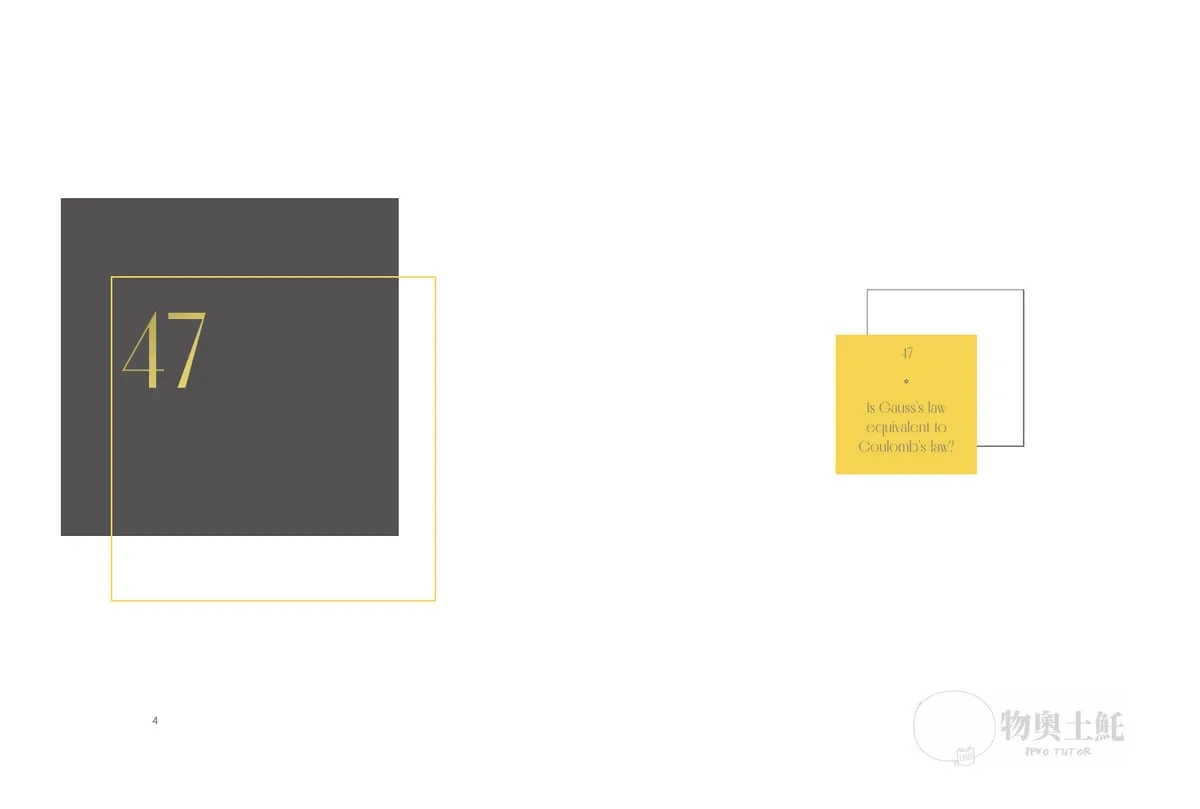
Opener
Lecture 47 starts on its own spread — the number on the left, the lecture's question on the right.
02PP. 6–7
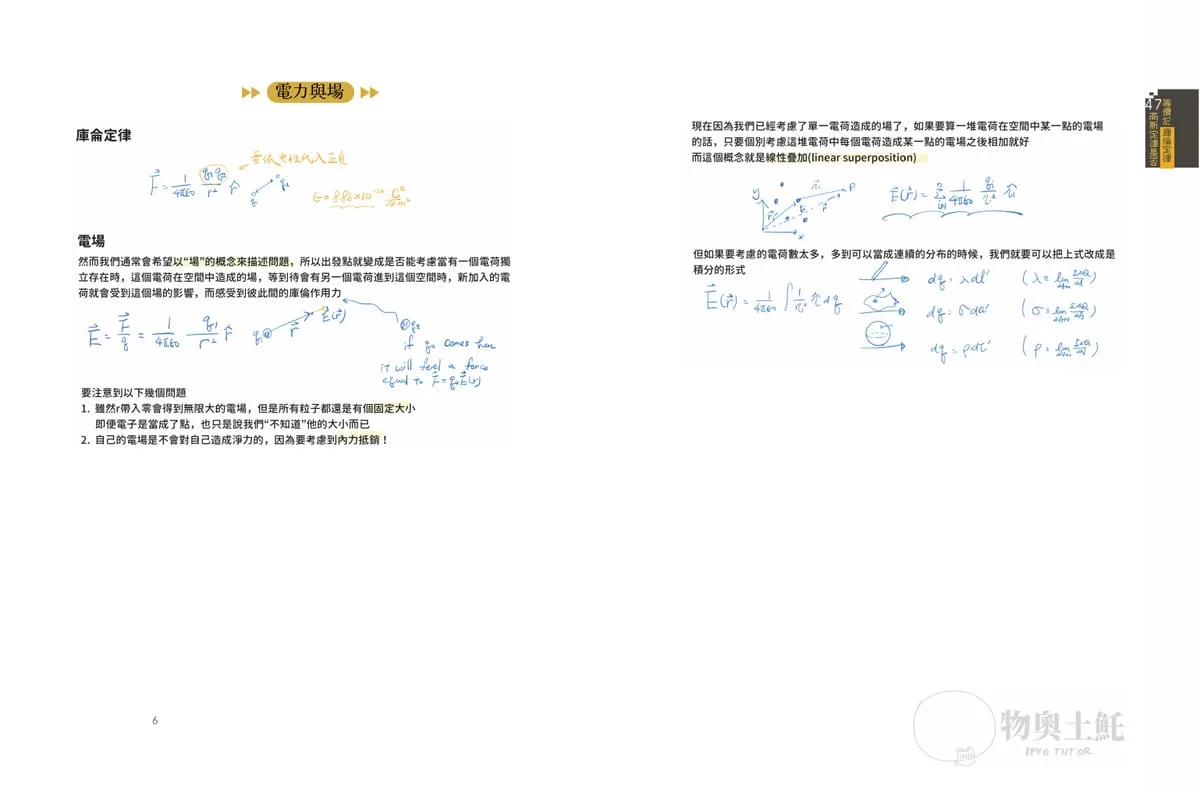
Lesson
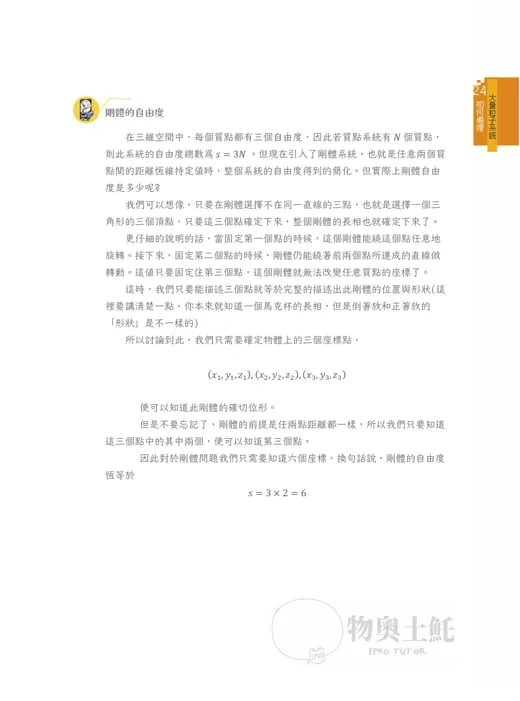
Typed explanation, with handwritten notes pasted in.
03PP. 8–9
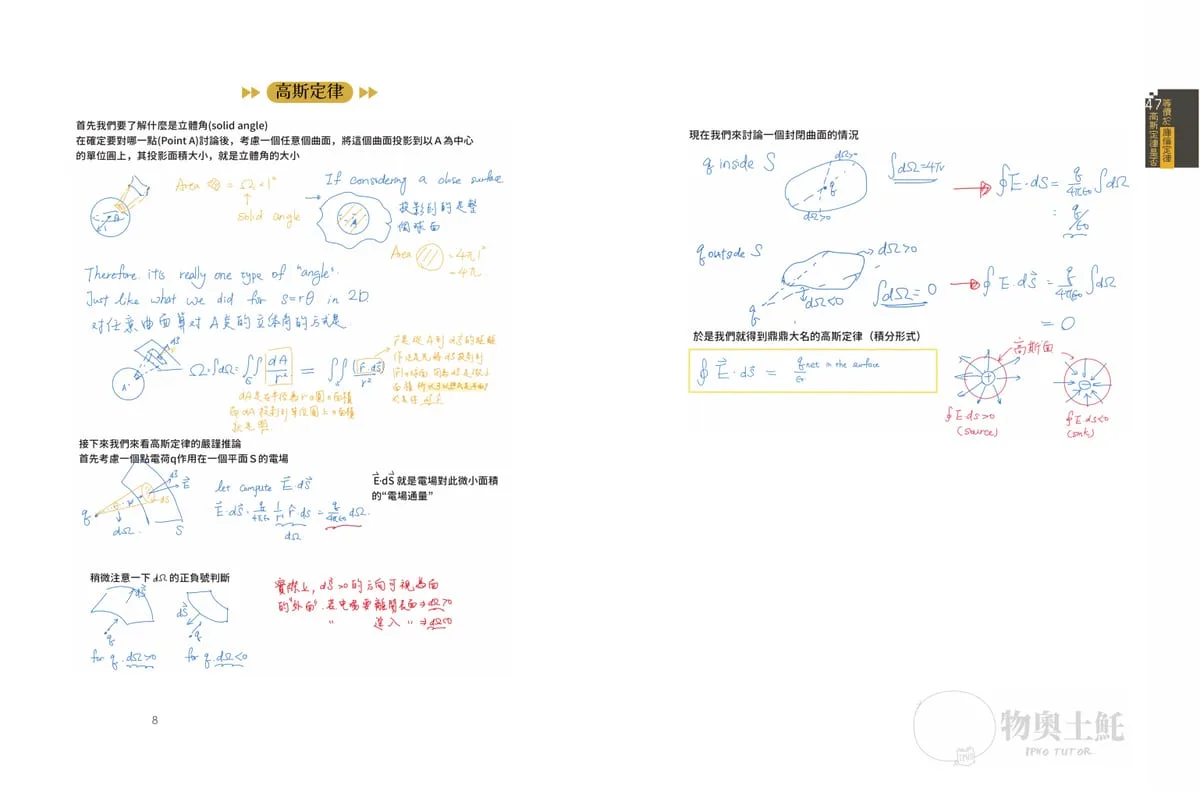
Lesson
The lesson continues; typed text and handwriting share the page.
04PP. 10–11
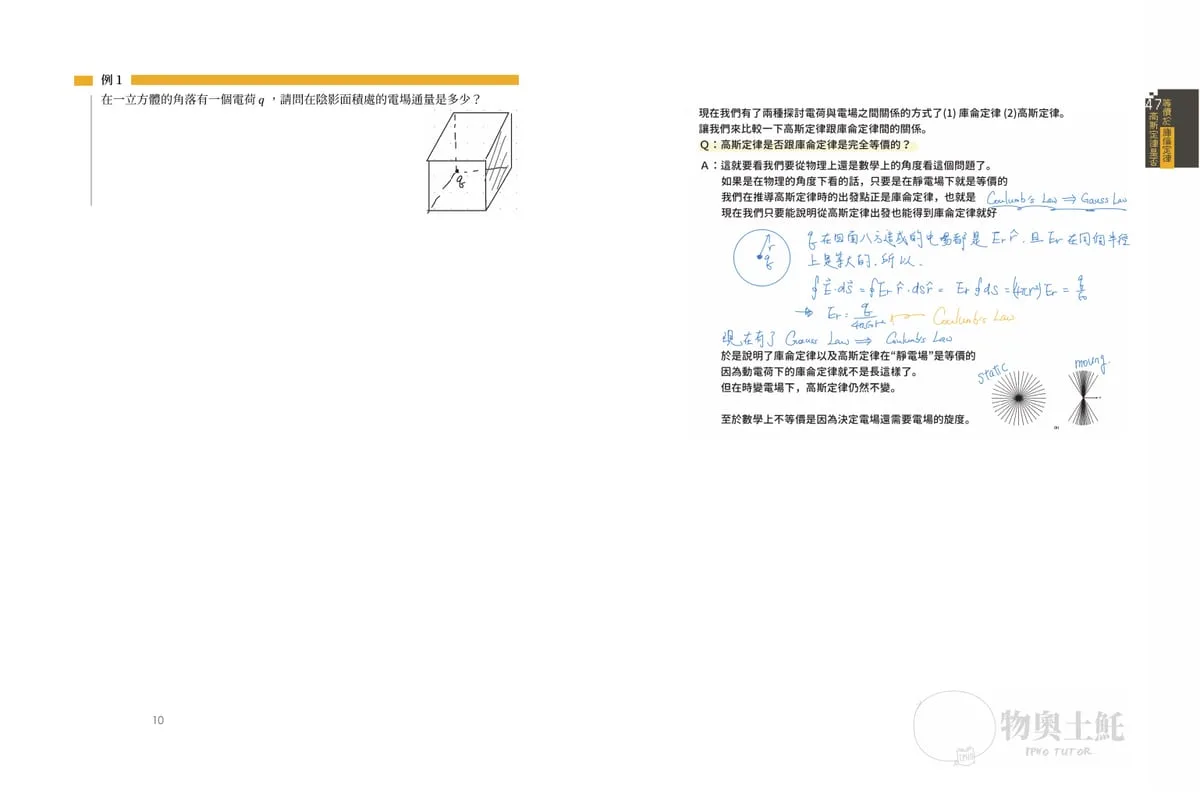
Example, then space
The example takes the top of the page. The rest is left empty on purpose — some students write large.
05PP. 12–13
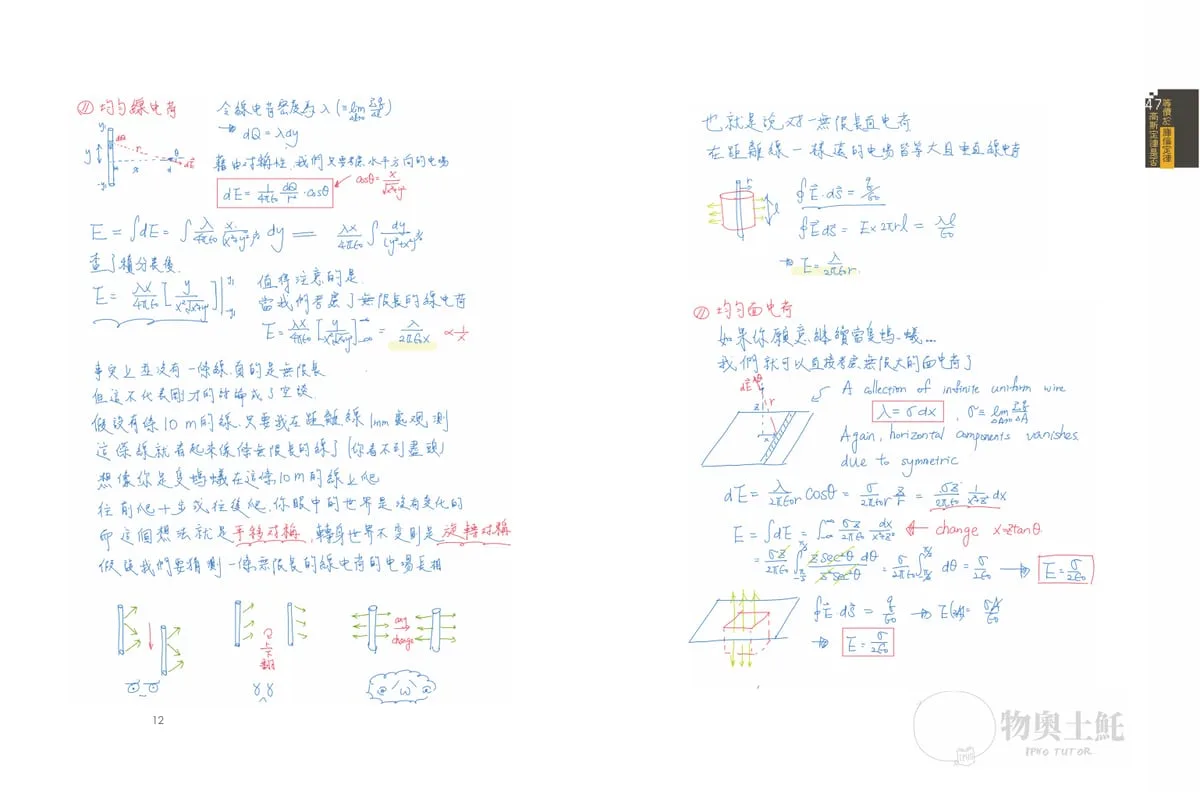
Handwritten
Whole pages in handwriting, in color.
06PP. 14–15
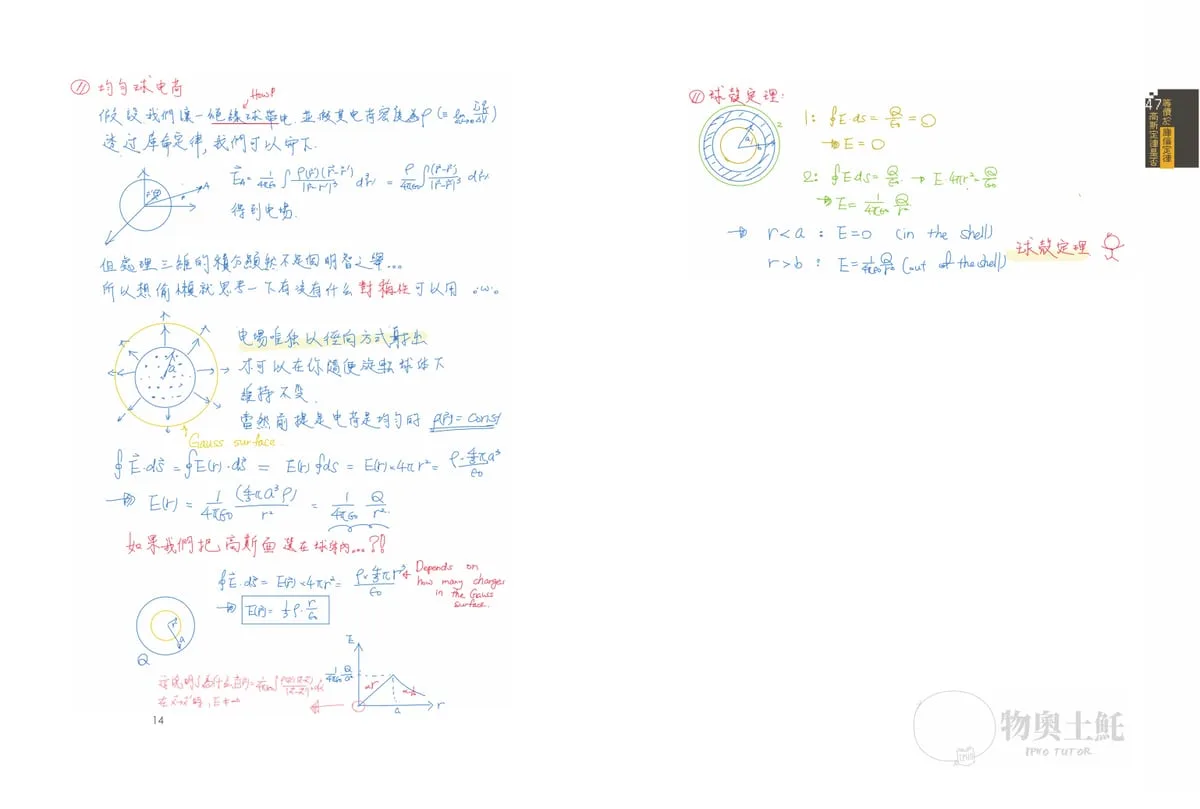
Handwritten
More of the lecture, worked through by hand.
07PP. 16–17
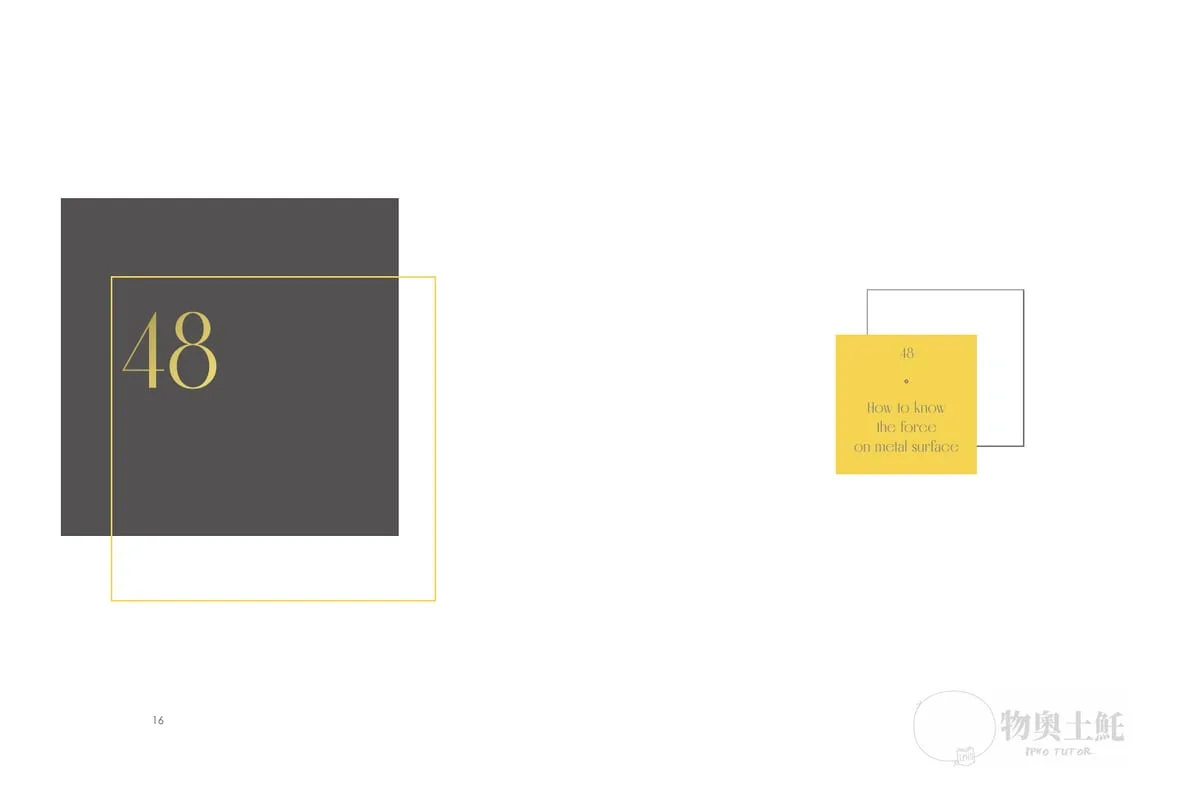
Next lecture
Lecture 48 opens the same way, and the edge tab moves one step down.
Pages 4–17 of the seventh month, from Lecture 47's opener to Lecture 48's.
THE PRACTICE / 05
Made for the printer
The text is set in Word and turned into print PDFs with Acrobat Distiller; covers and spines are Photoshop files. Pages and covers share one size: 195 × 263 mm, a custom B5.
A spine has to match the thickness of the book behind it, and that depends on the page count and the paper. So every volume gets its own spine file, from 6.0 mm wide for the 99-page ninth month to 13.5 mm for the 259-page sixth. The file names carry the numbers: the thickness, the page count, and the version of the text each cover or spine was made for (對應 ver). The books went to print in 2024, and the text has been revised since.
THE SET









ONE SPINE FILE NAME
第1個月講義_書背2024_對應ver1.31_(x1-a)_厚度1.185_頁數227.pdf
第1個月講義Month 1 handbook書背2024Spine, 2024對應ver1.31Made for version 1.31 of the text(x1-a)PDF/X-1a, the print-file standard厚度1.185Thickness — sets the spine width頁數227Page count
The nine spine files side by side at one scale, 6.0 to 13.5 mm wide. The numbers are page counts.
LEAF THROUGH IT
Seventeen spreads from the nine months
Picked for their layout or their handwriting, and shown as printed. Click a page or use the arrow keys to turn it; on a phone, swipe.
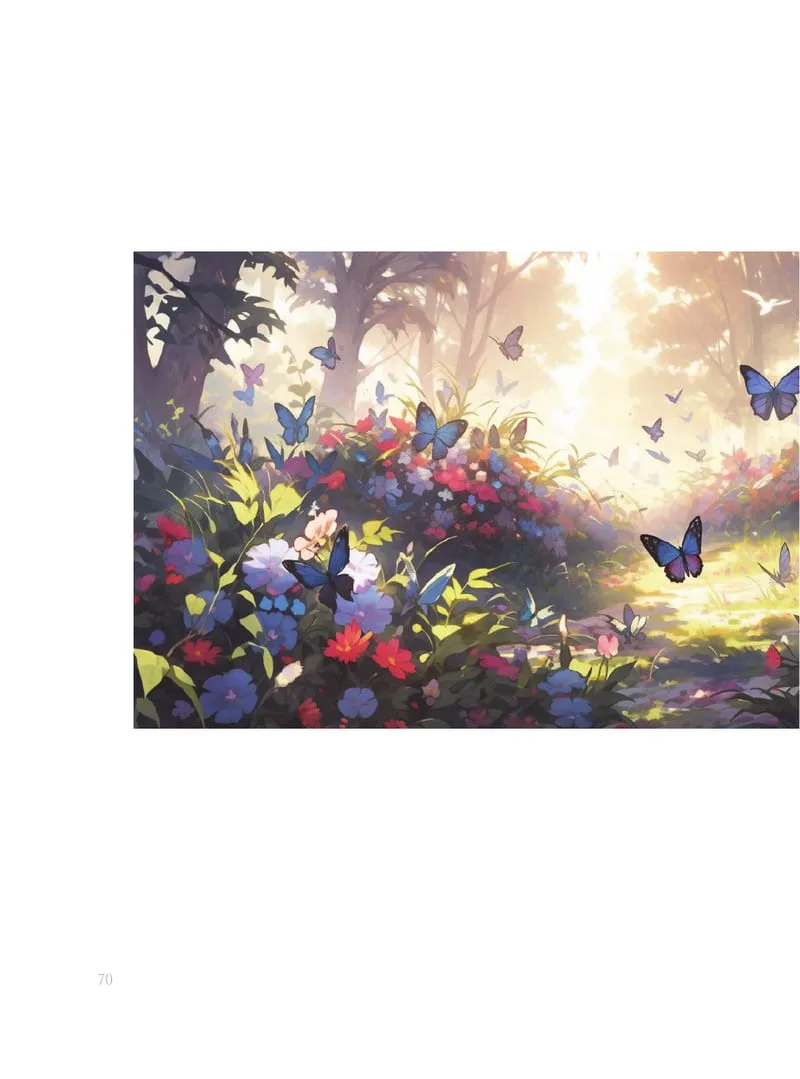
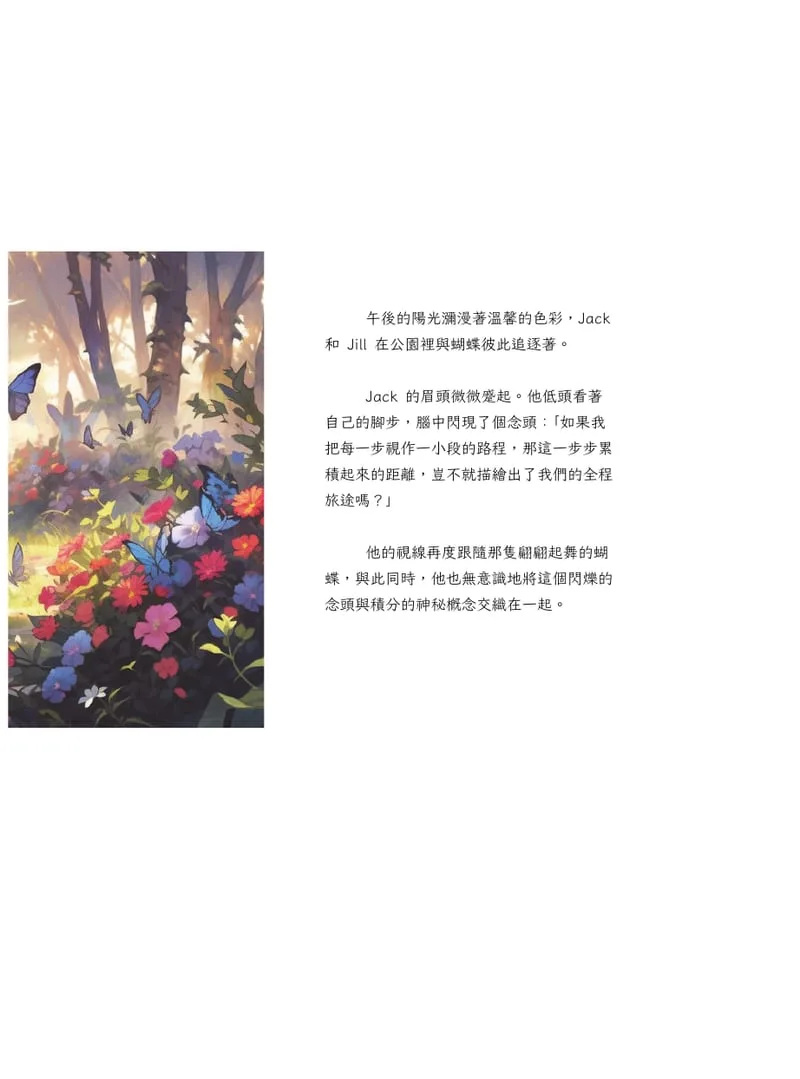
01 最初の月 · PP. 70–71The opener of Lecture 3: an illustration across the fold, and a short story that leads into the integral. 
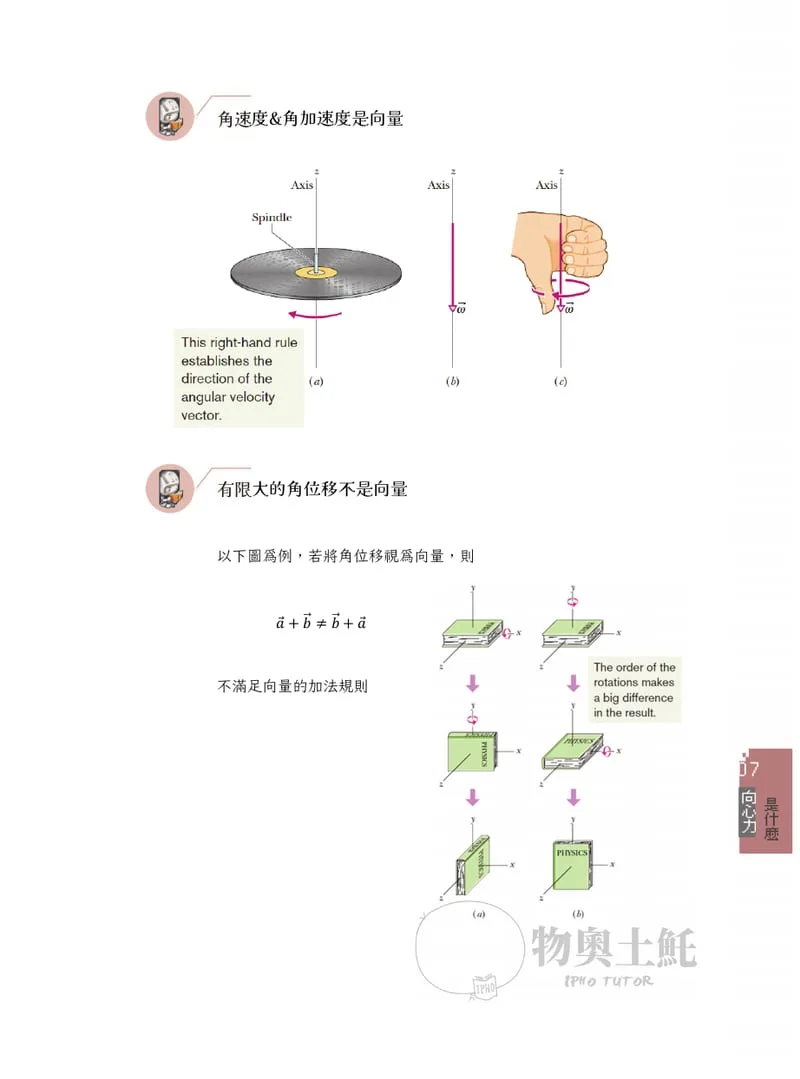
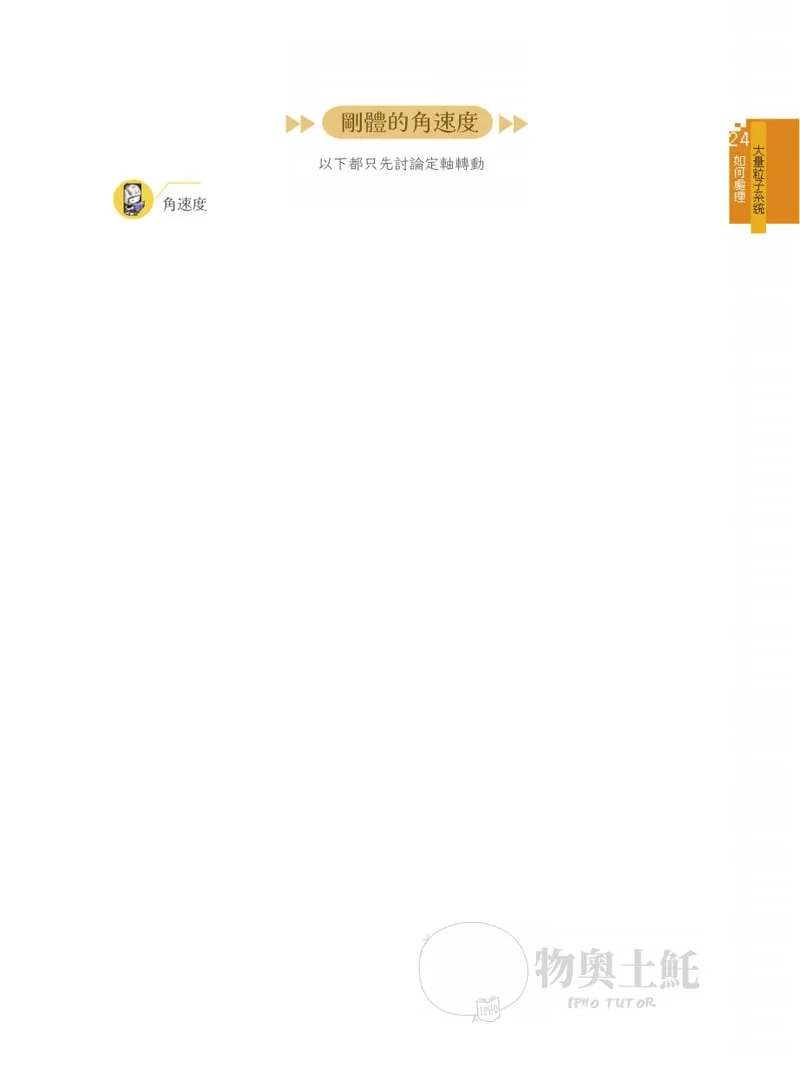
01 最初の月 · PP. 212–213Angular velocity as a vector — figures with English labels set into the Chinese text. 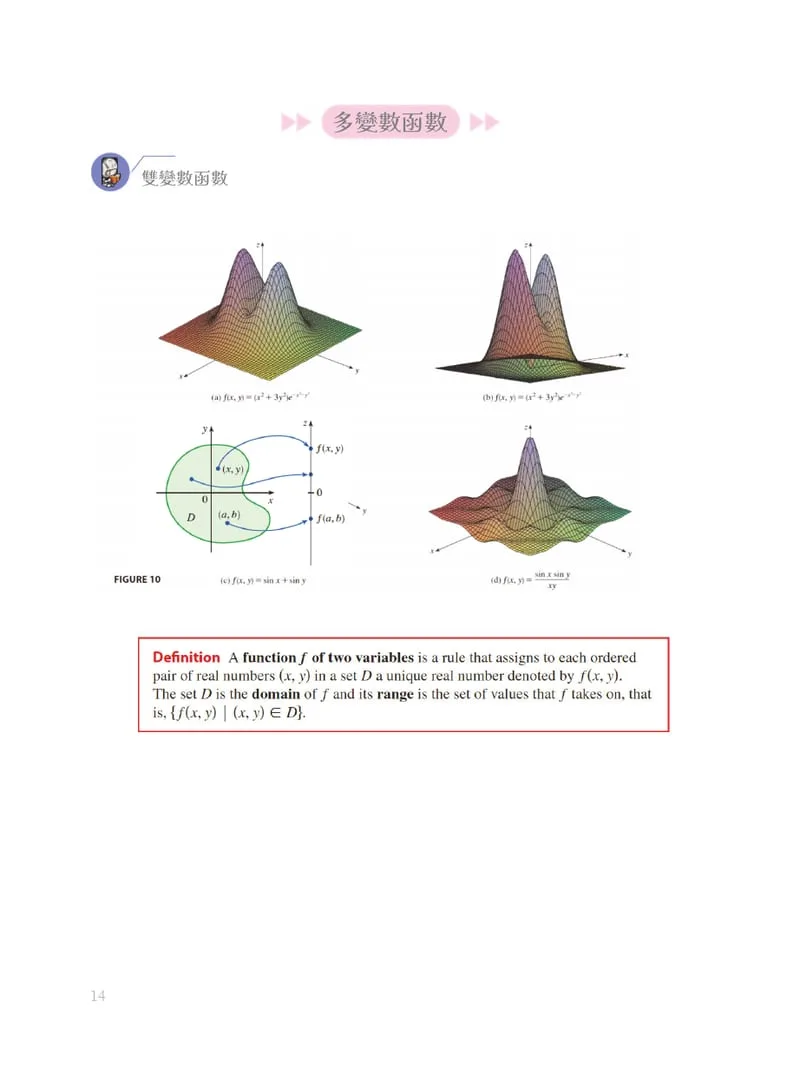
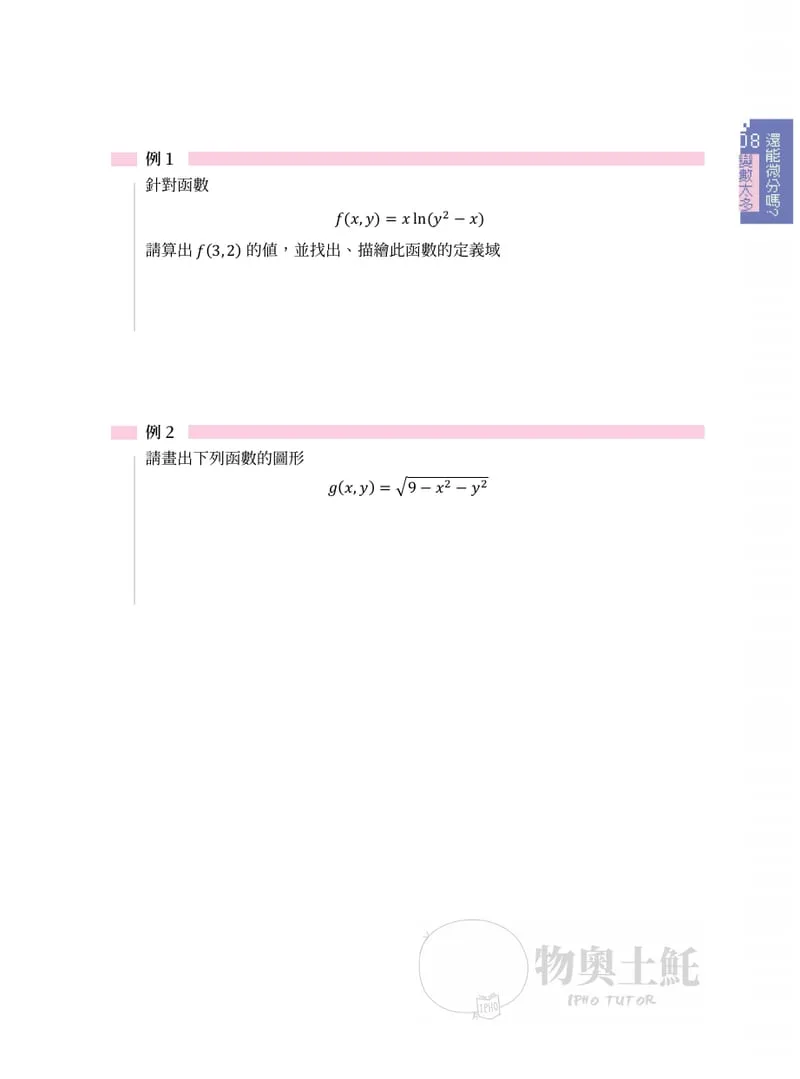
02 二ヶ月目 · PP. 14–15Functions of two variables, with 3D surface plots. 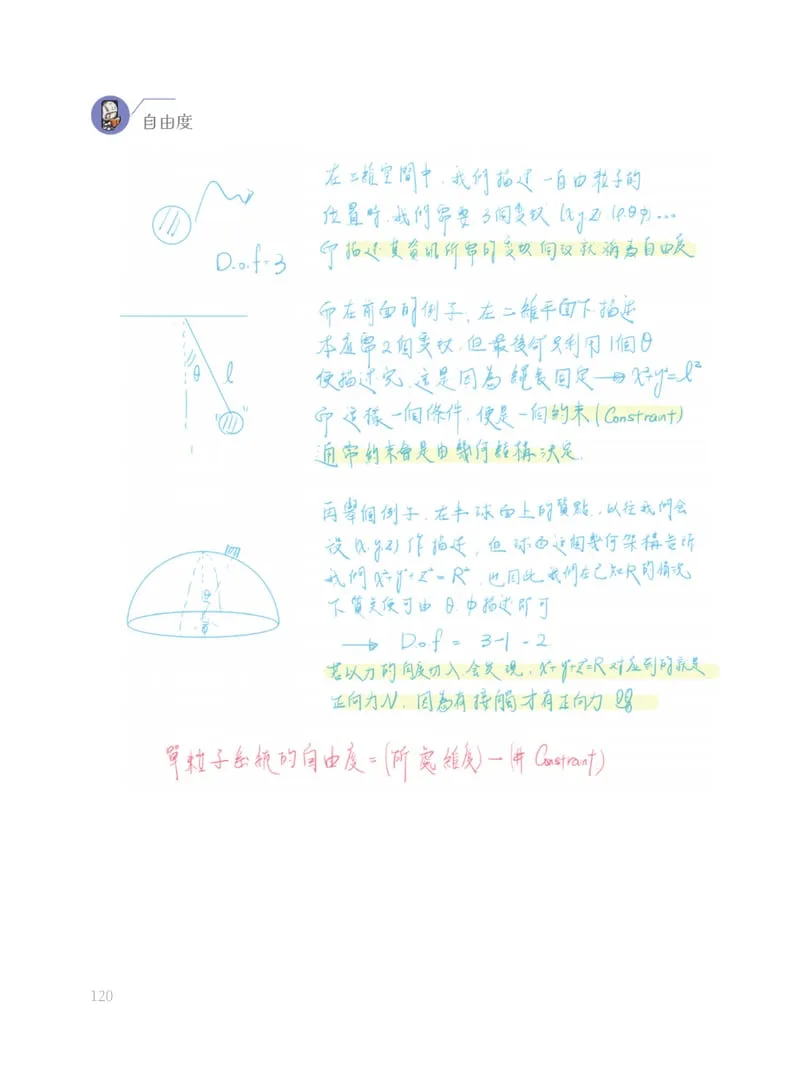
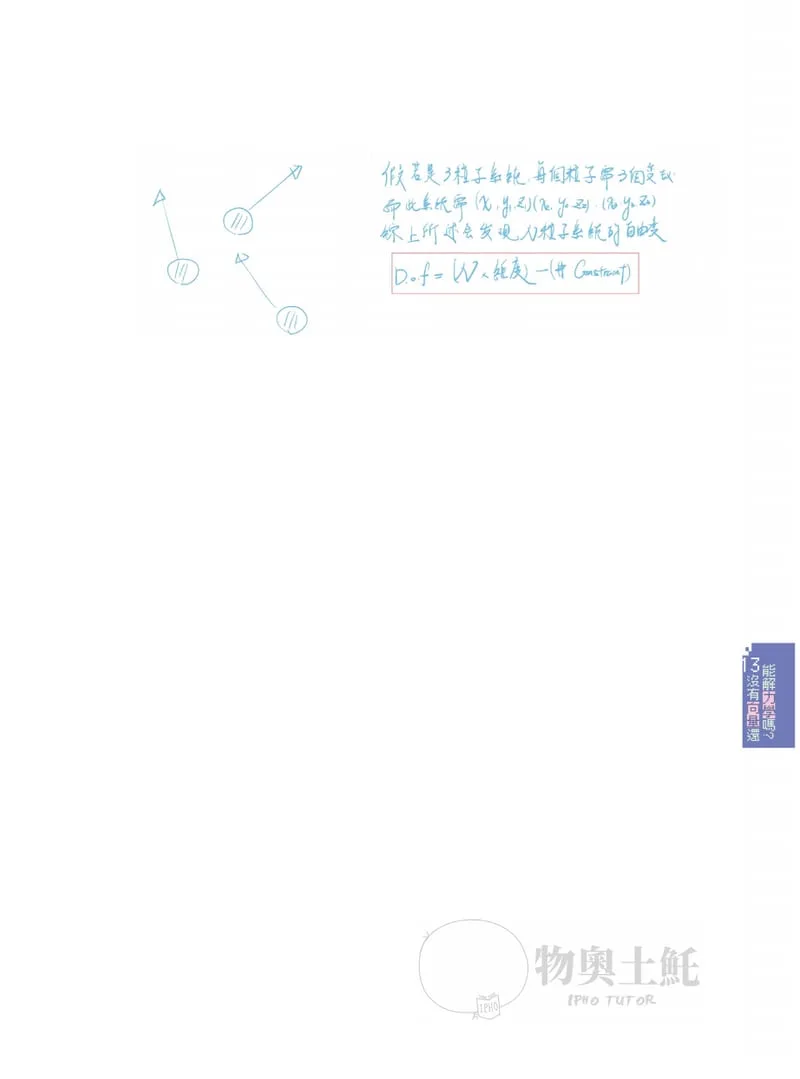
02 二ヶ月目 · PP. 120–121Degrees of freedom, handwritten. 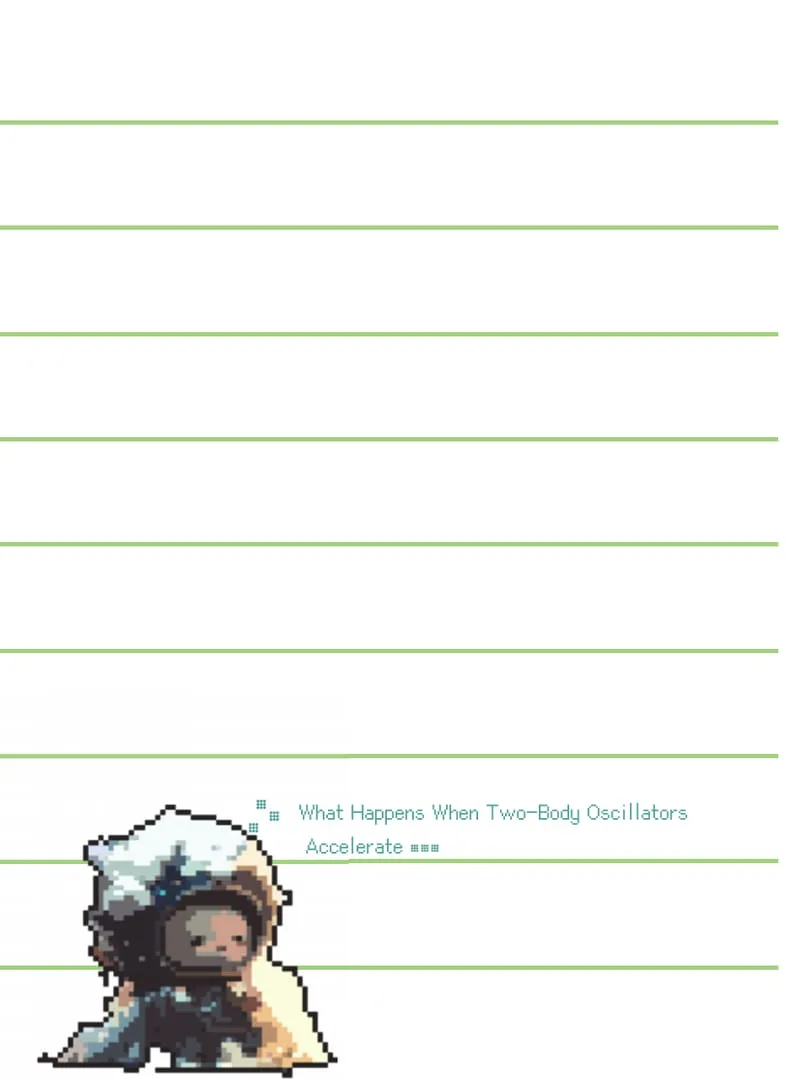
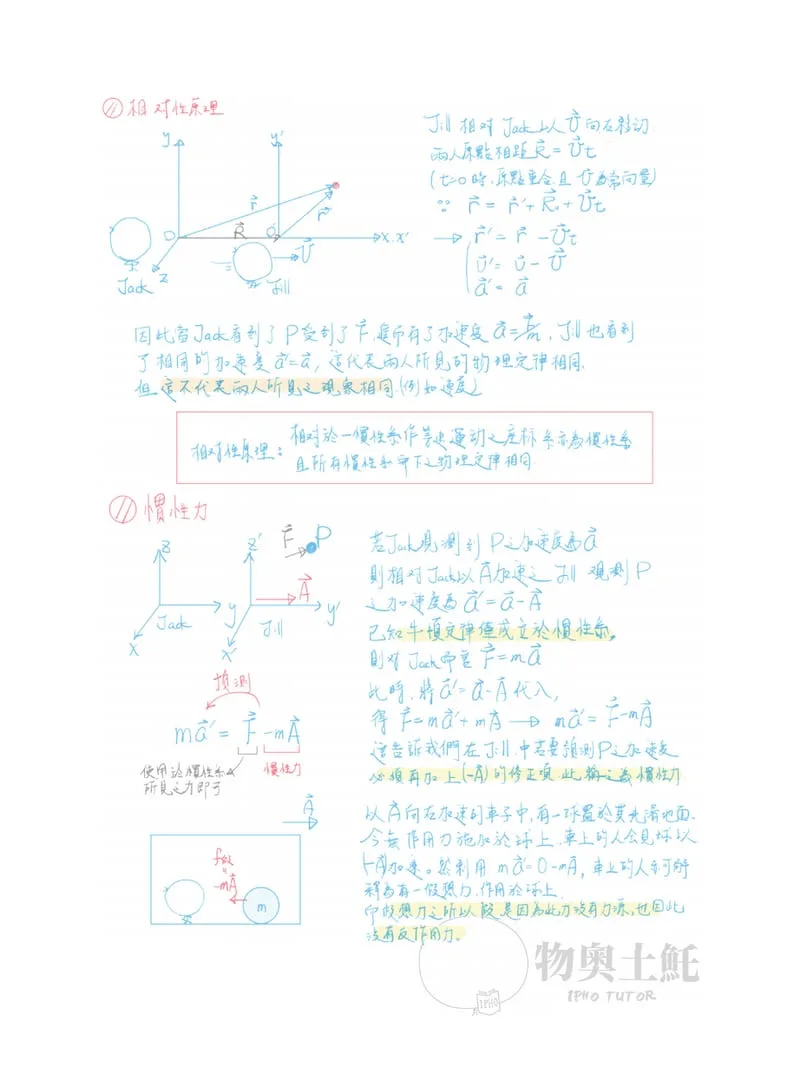
03 三ヶ月目 · PP. 142–143Lecture 21's opener facing handwritten notes on relative motion and inertial forces. 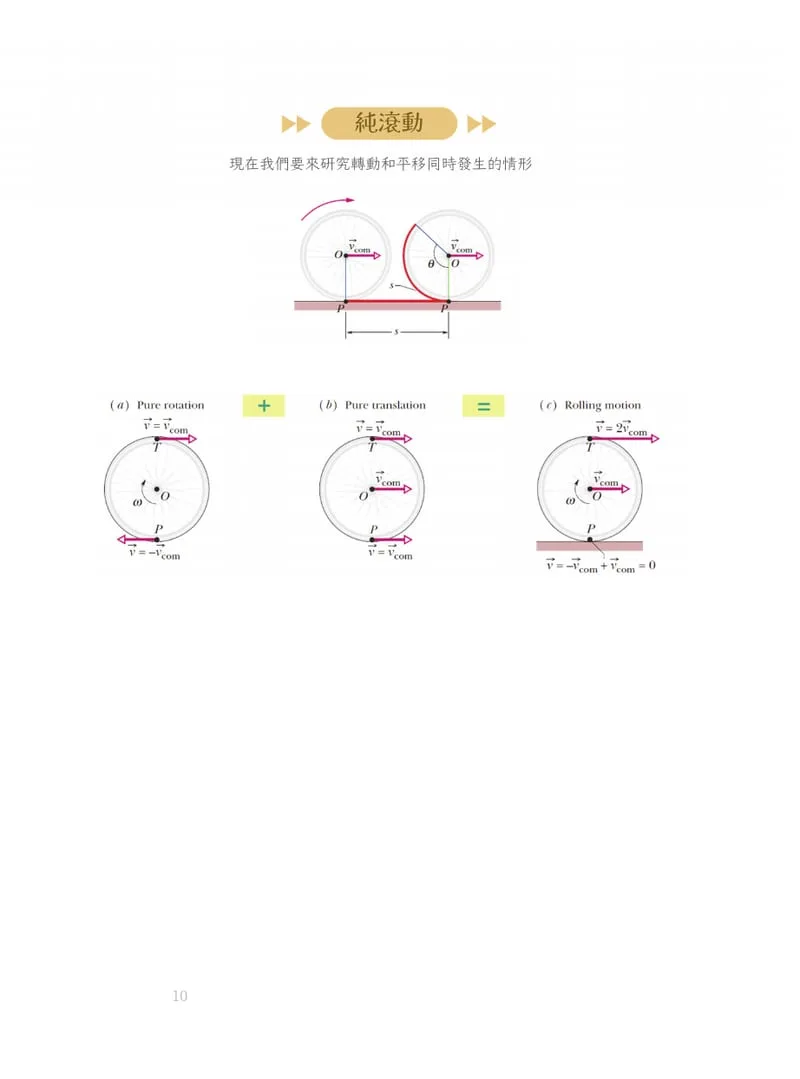
04 四ヶ月目 · PP. 10–11Rolling motion as pure rotation plus pure translation, shown on three wheels. 
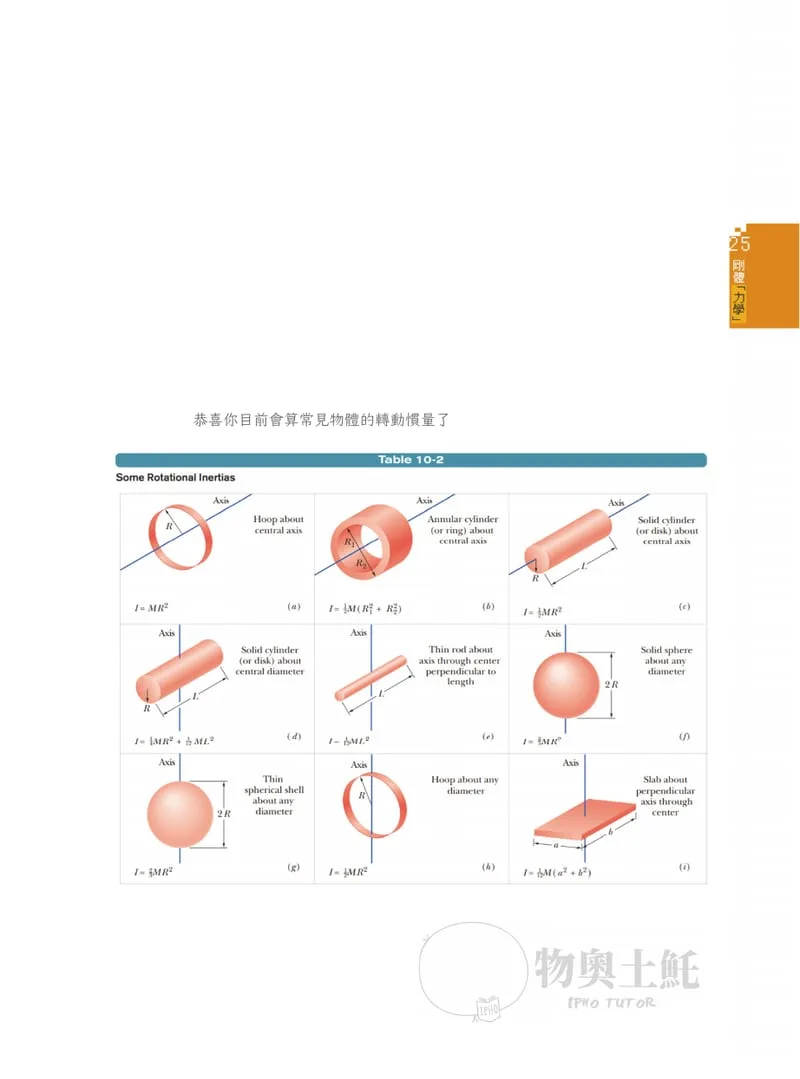
04 四ヶ月目 · PP. 34–35A reference table of moments of inertia for common shapes. 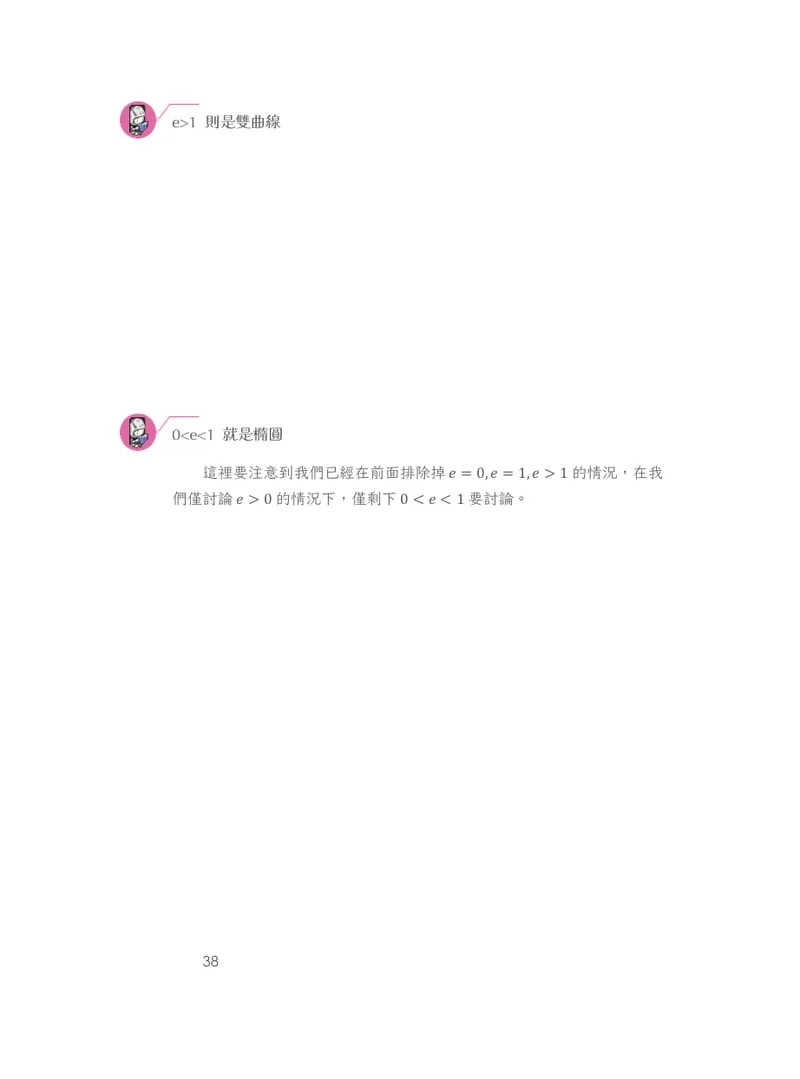
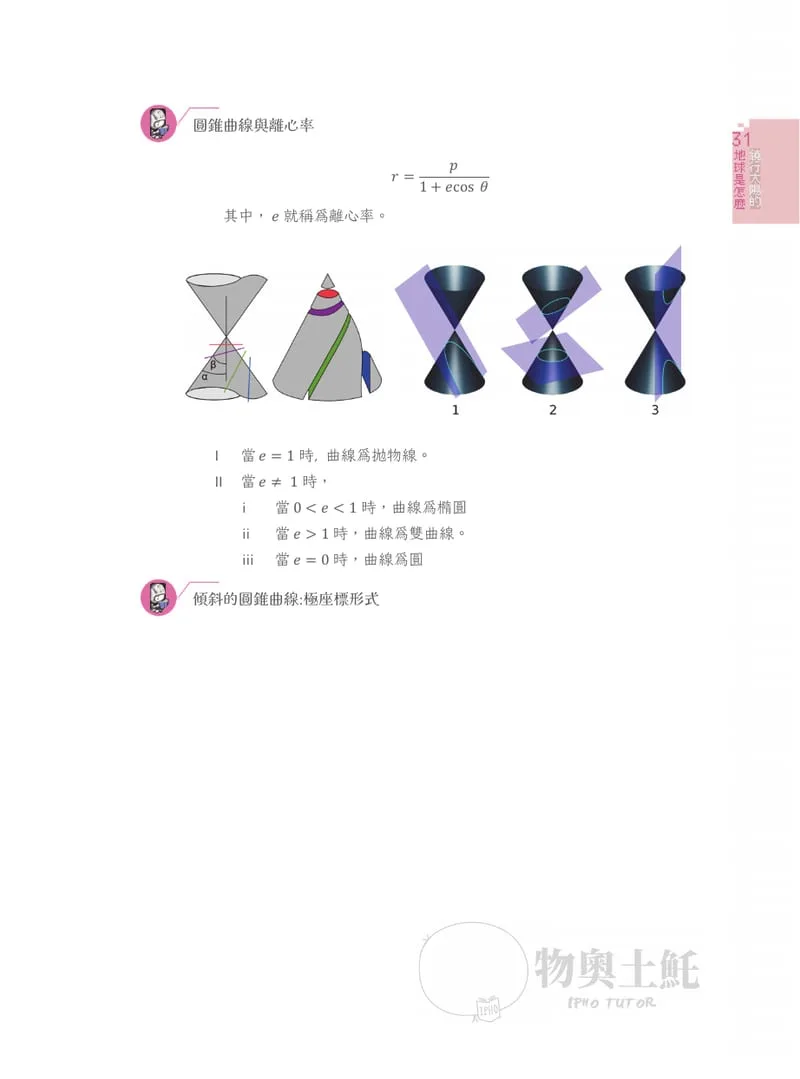
05 五ヶ月目 · PP. 38–39Conic sections: double cones cut by planes, and the polar form with eccentricity. 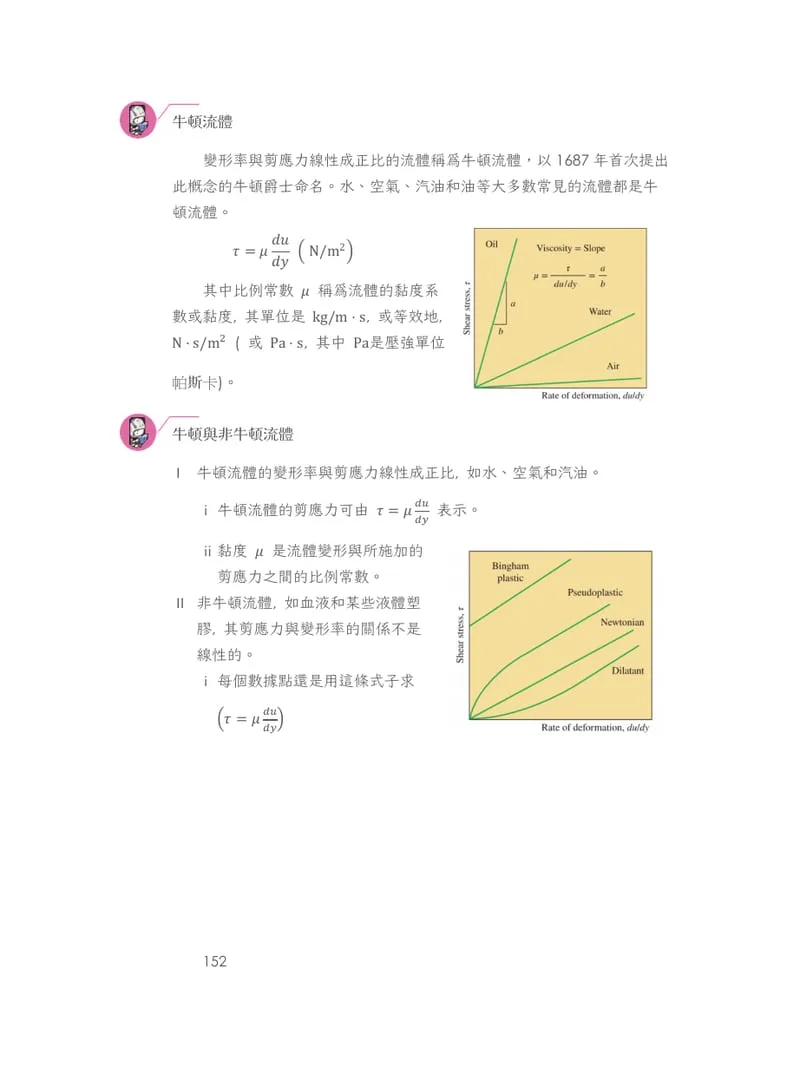
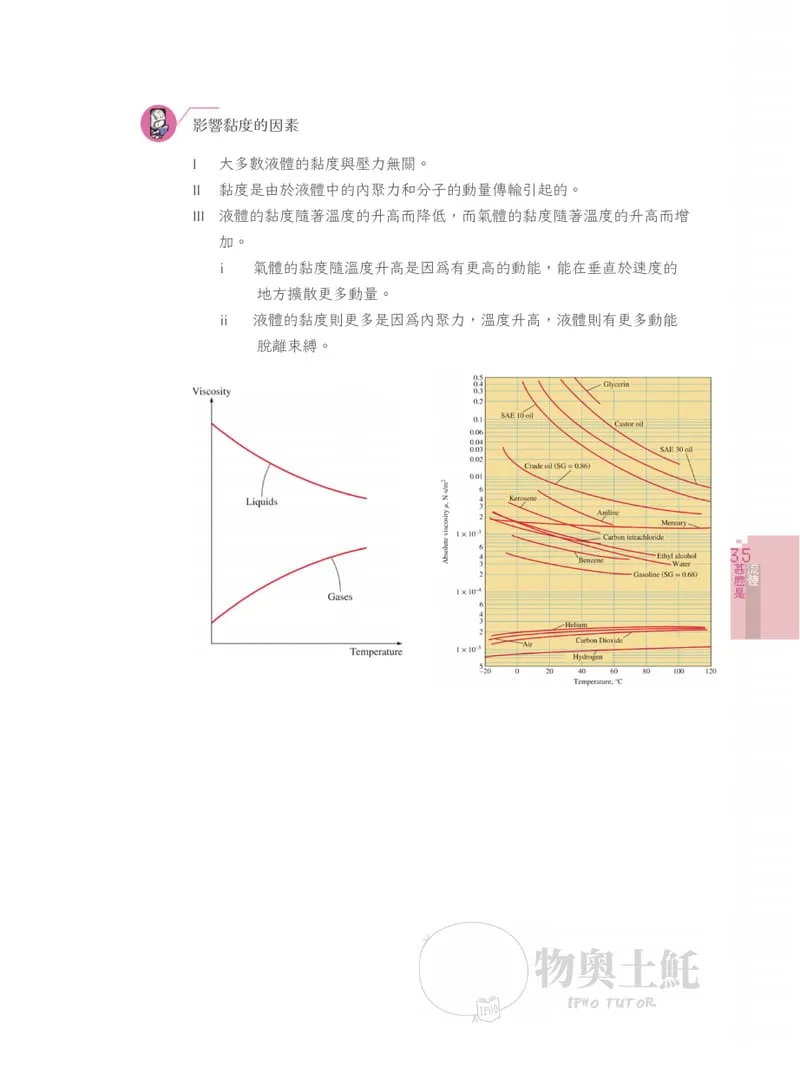
05 五ヶ月目 · PP. 152–153Viscosity: Newtonian and non-Newtonian fluids, with charts. 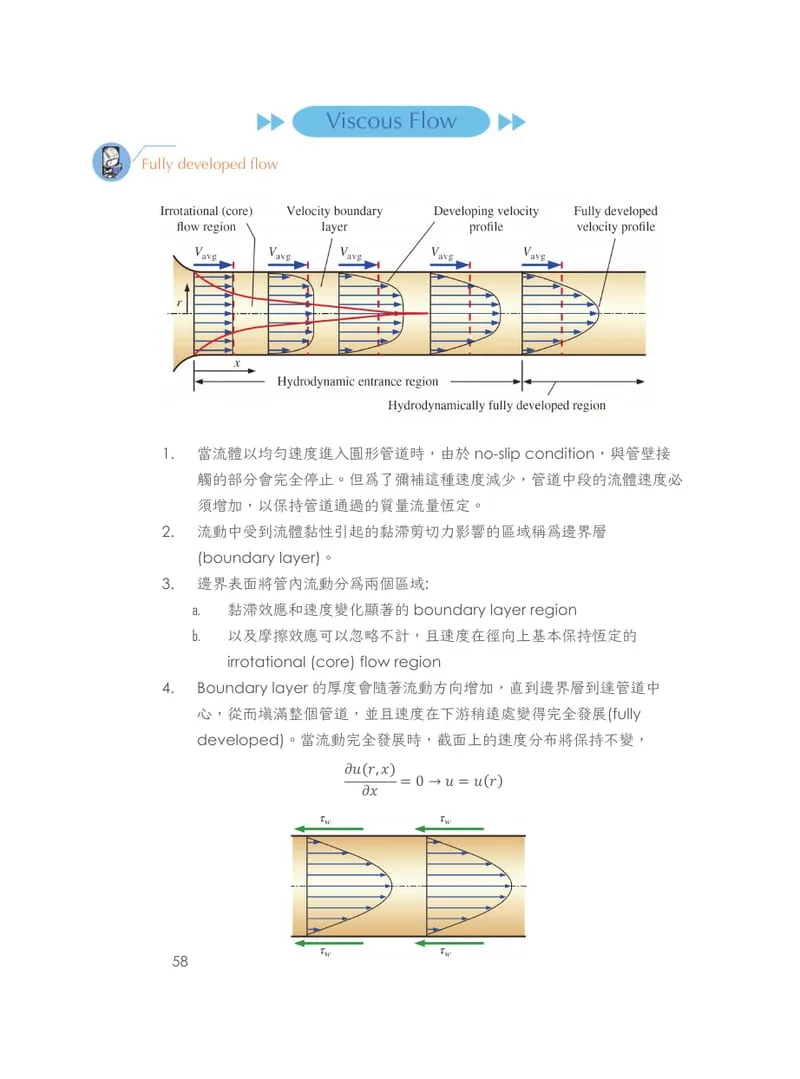
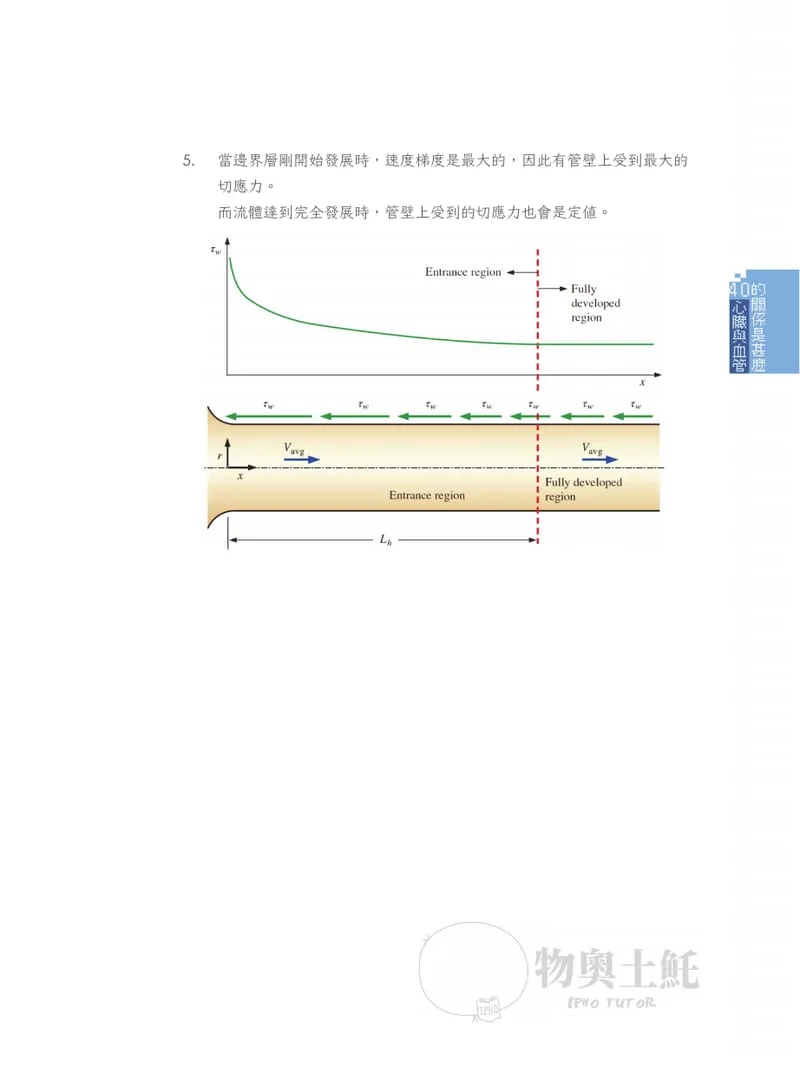
06 六ヶ月目 · PP. 58–59Viscous flow in a pipe: the entrance region and the fully developed velocity profile. 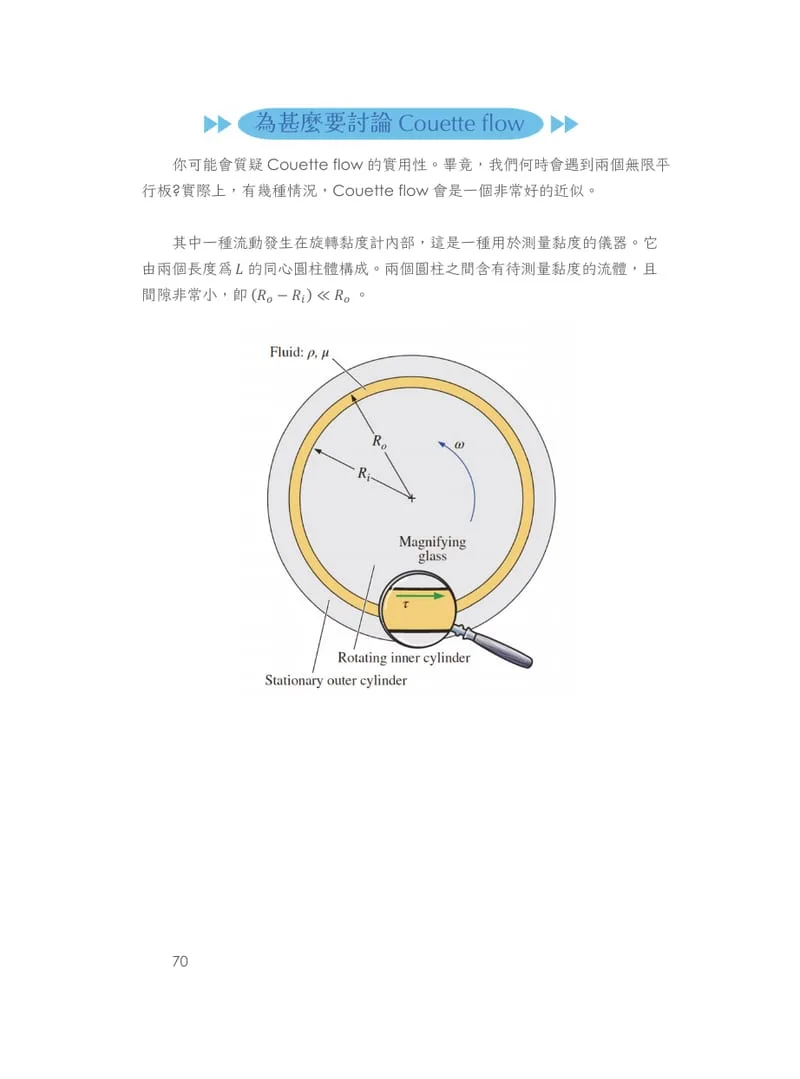
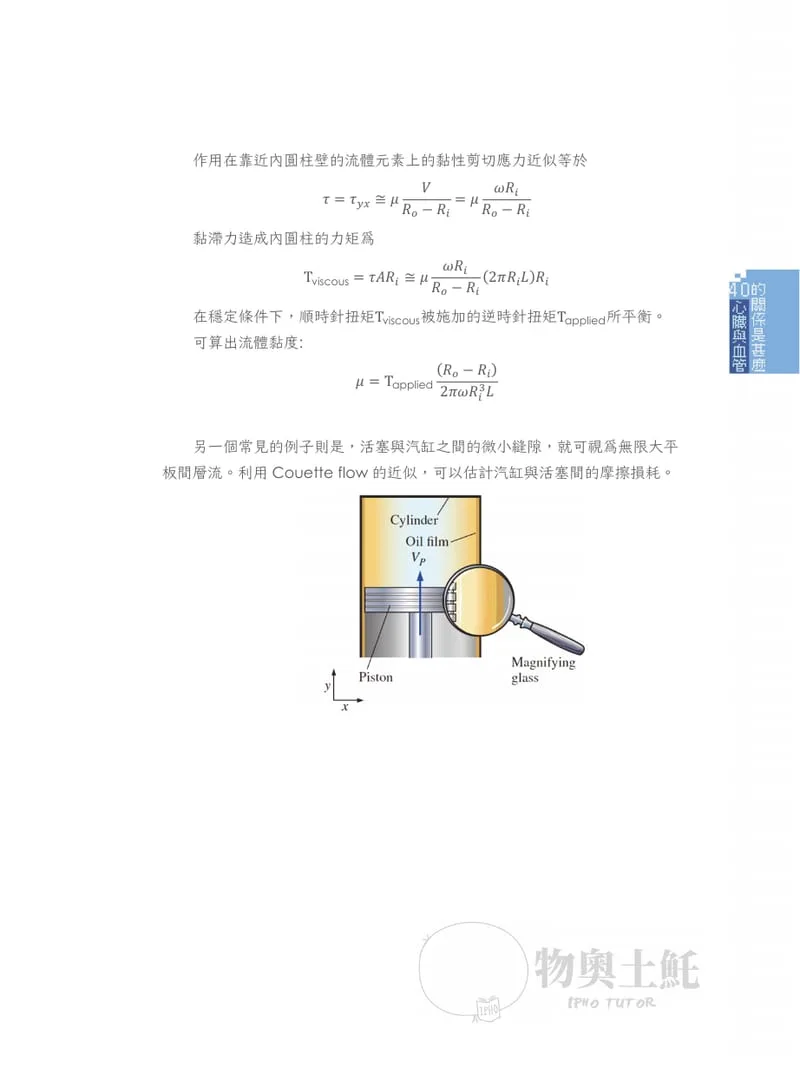
06 六ヶ月目 · PP. 70–71Couette flow, and how it is used to measure viscosity. 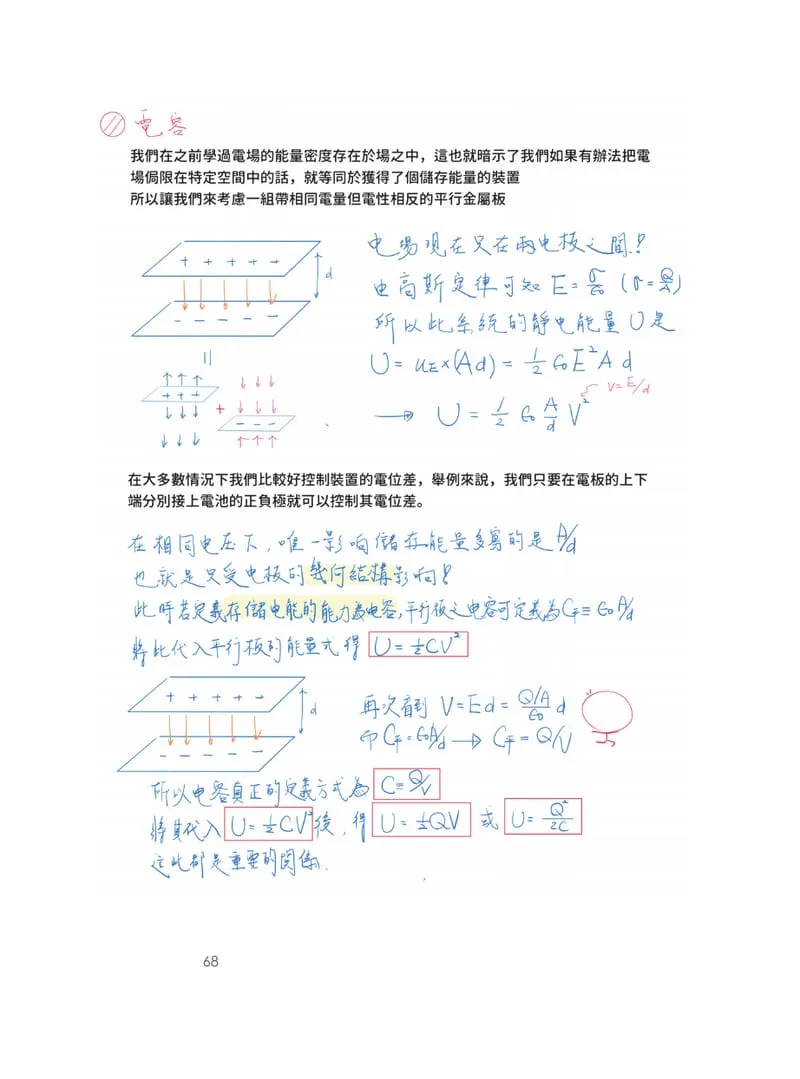
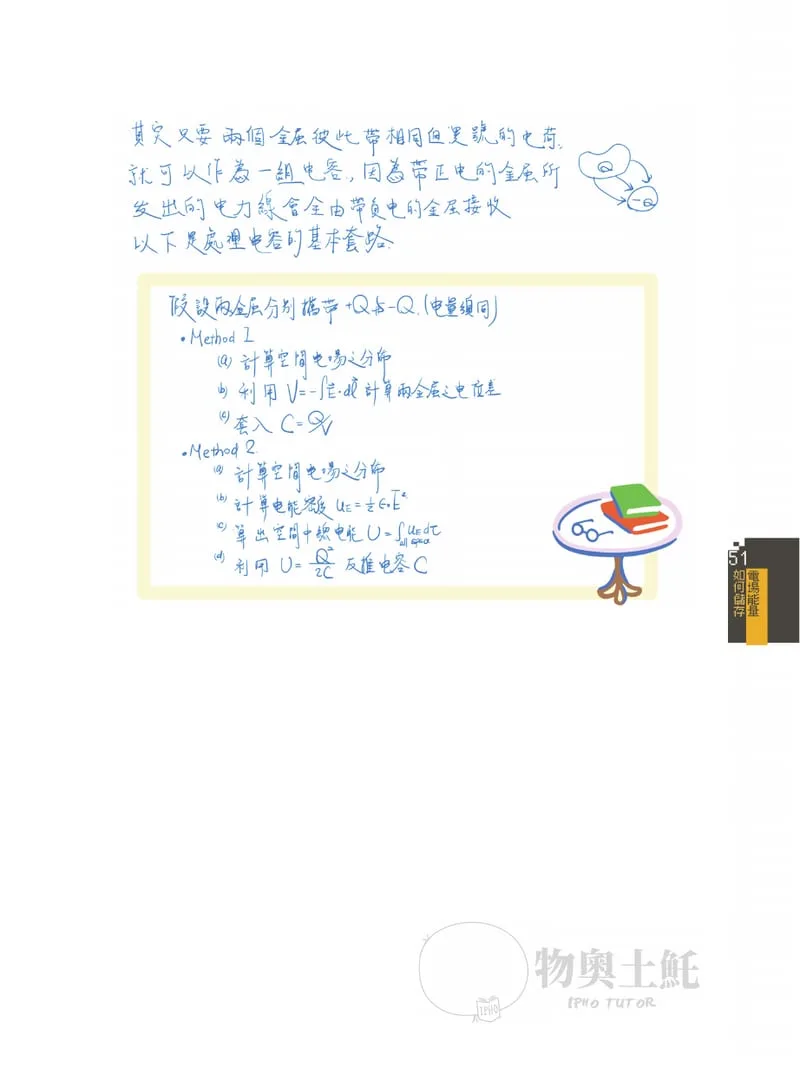
07 七ヶ月目 · PP. 68–69Capacitors, worked through by hand around the typed text. 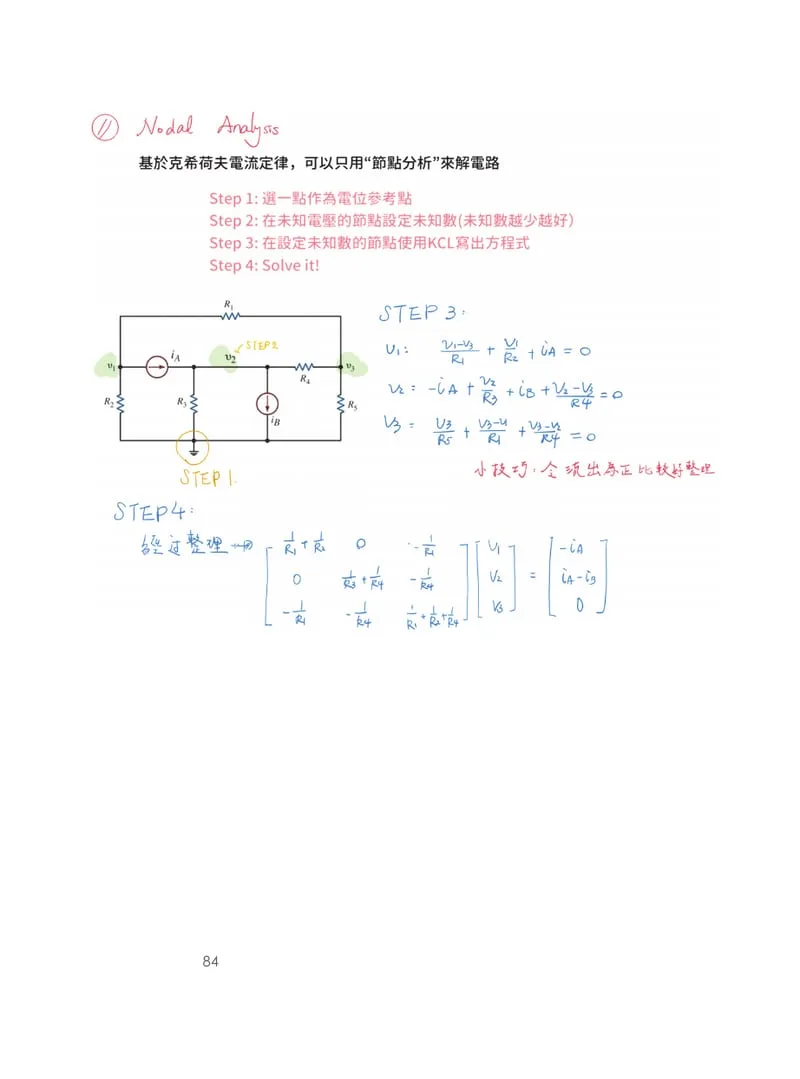
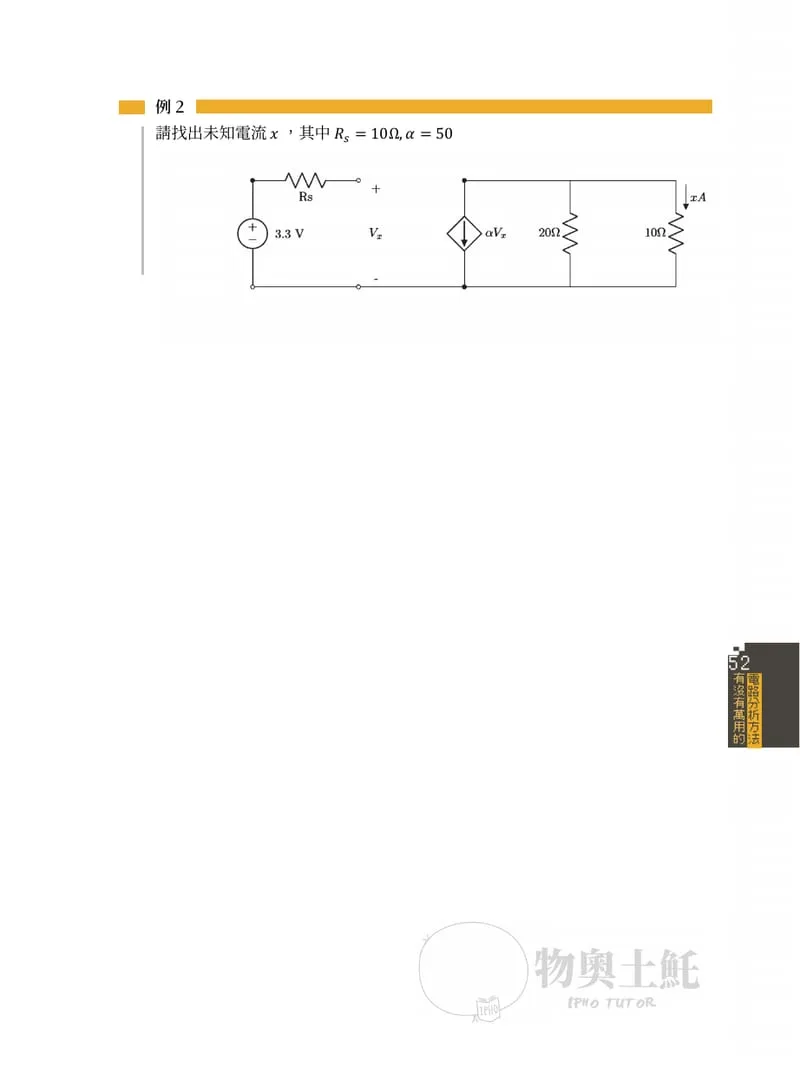
07 七ヶ月目 · PP. 84–85Nodal analysis: the steps in color, then a circuit to try. 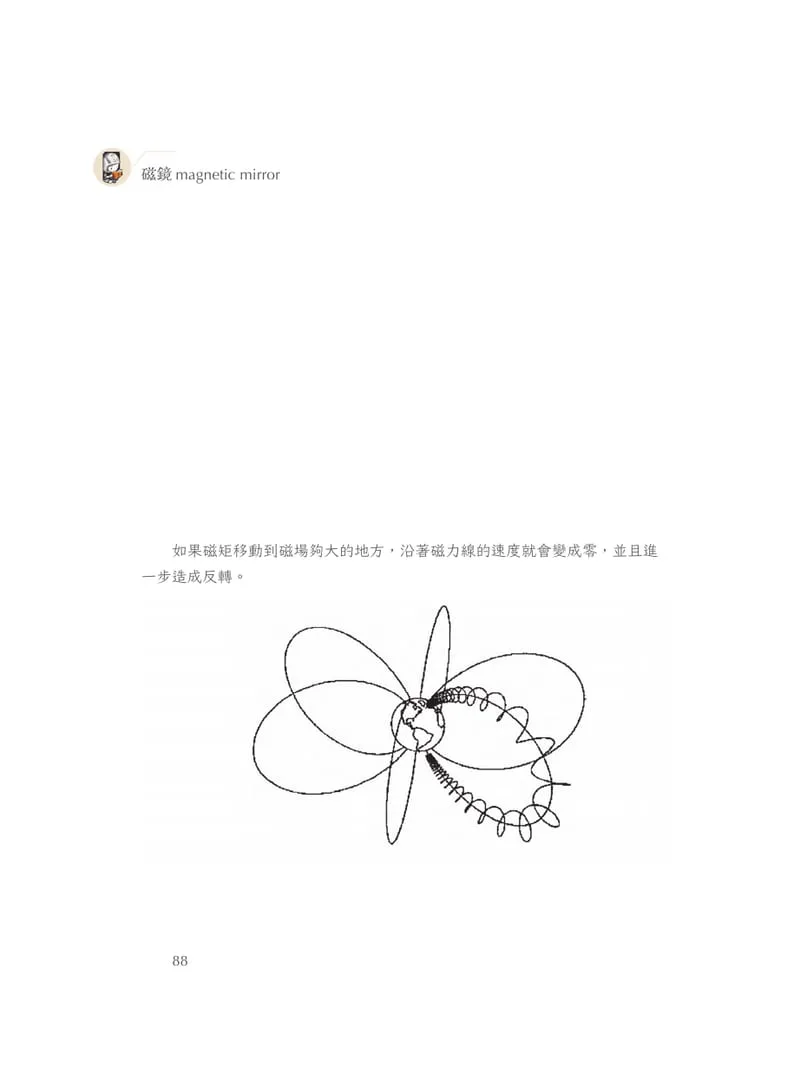
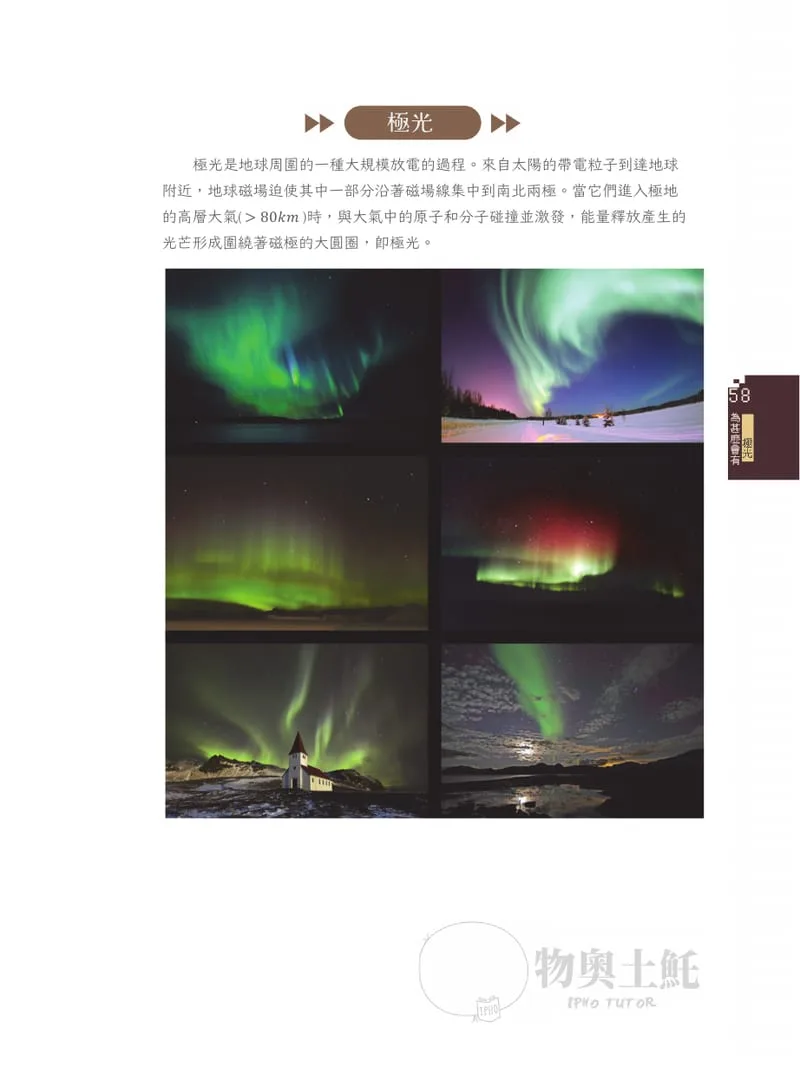
08 八ヶ月目 · PP. 88–89The magnetic mirror and the aurora, with photographs. 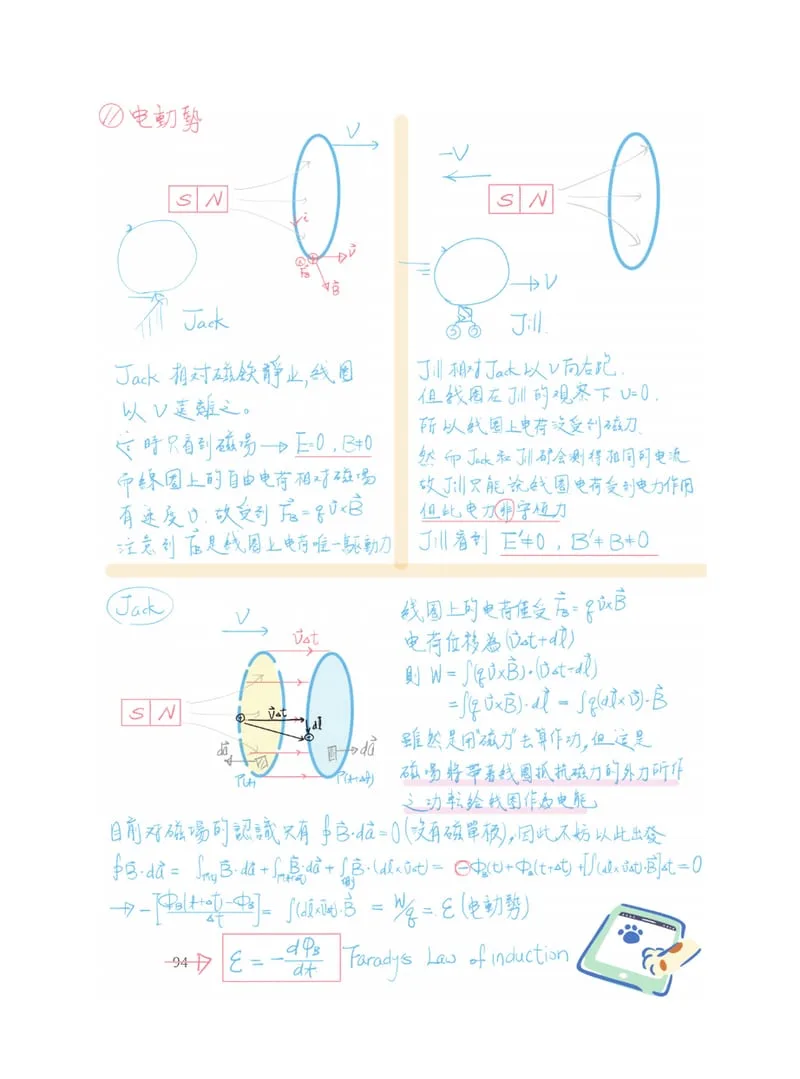
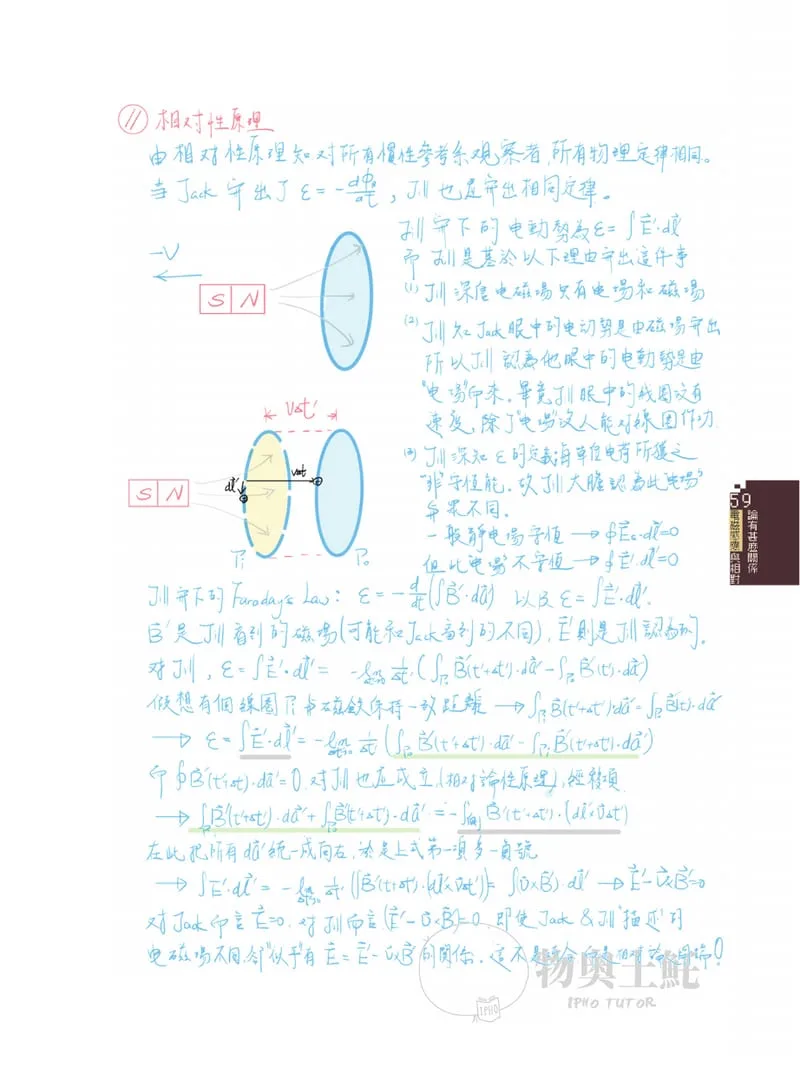
08 八ヶ月目 · PP. 94–95Motional EMF and the principle of relativity, handwritten — two observers, Jack and Jill. 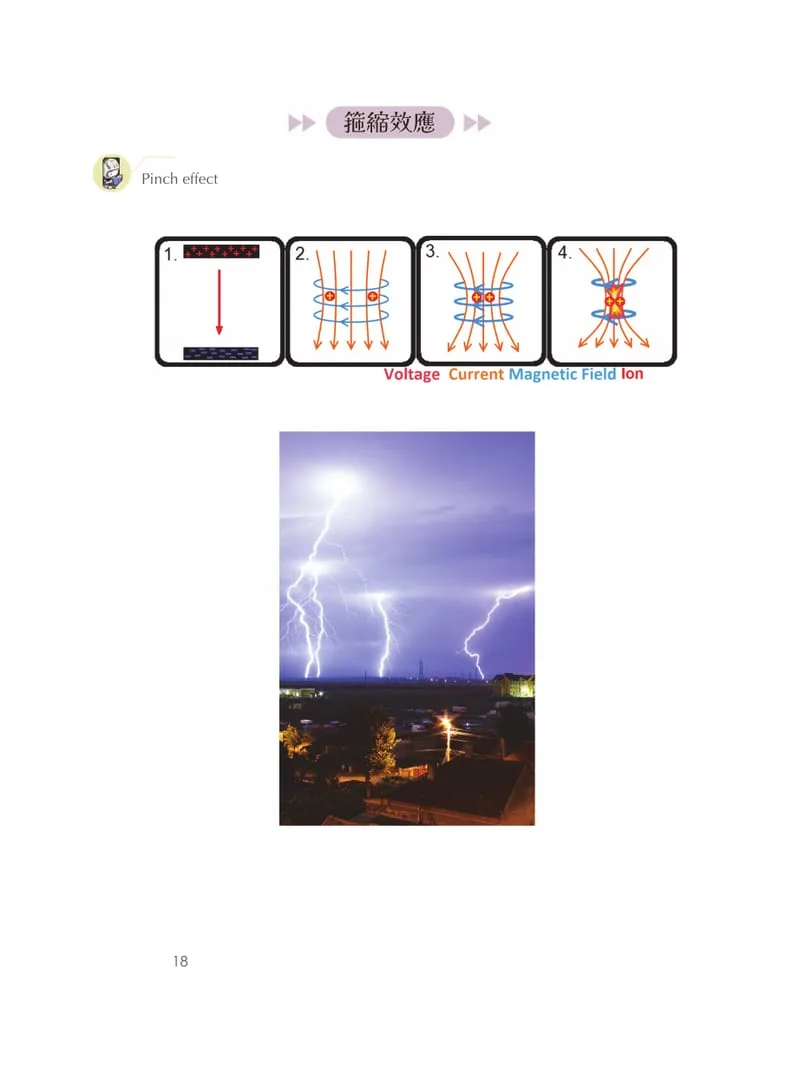
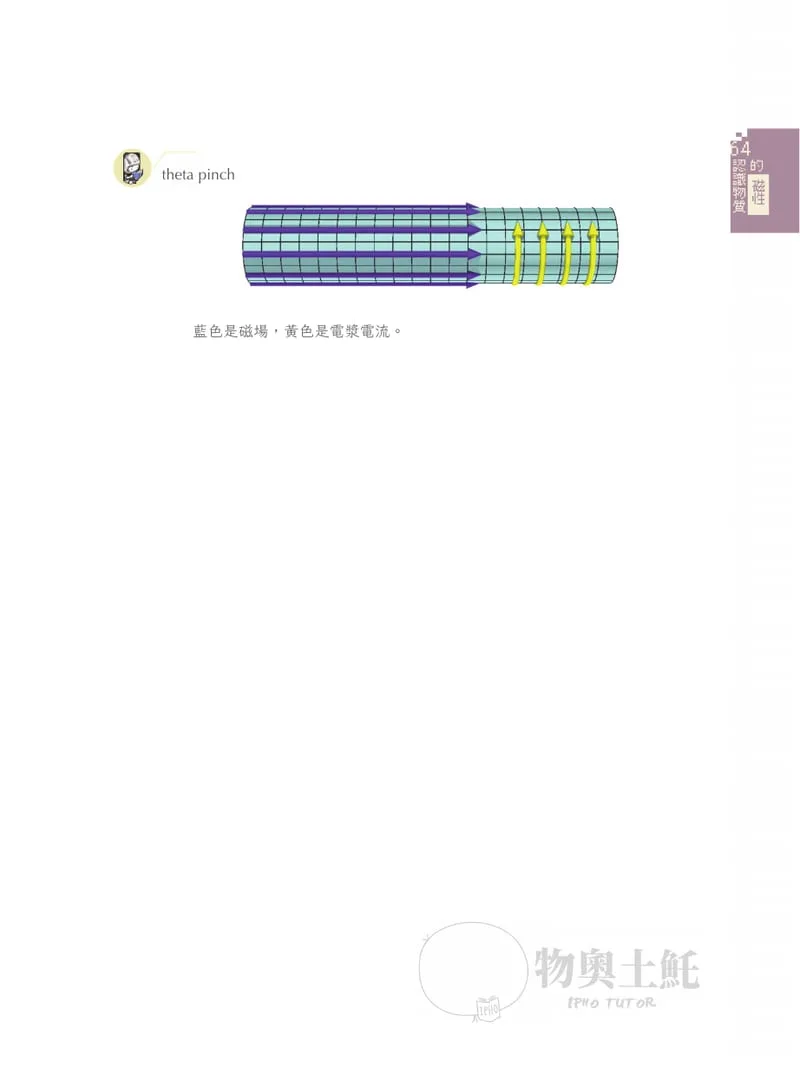
09 九ヶ月目 · PP. 18–19The pinch effect in four steps, with a photograph of lightning. 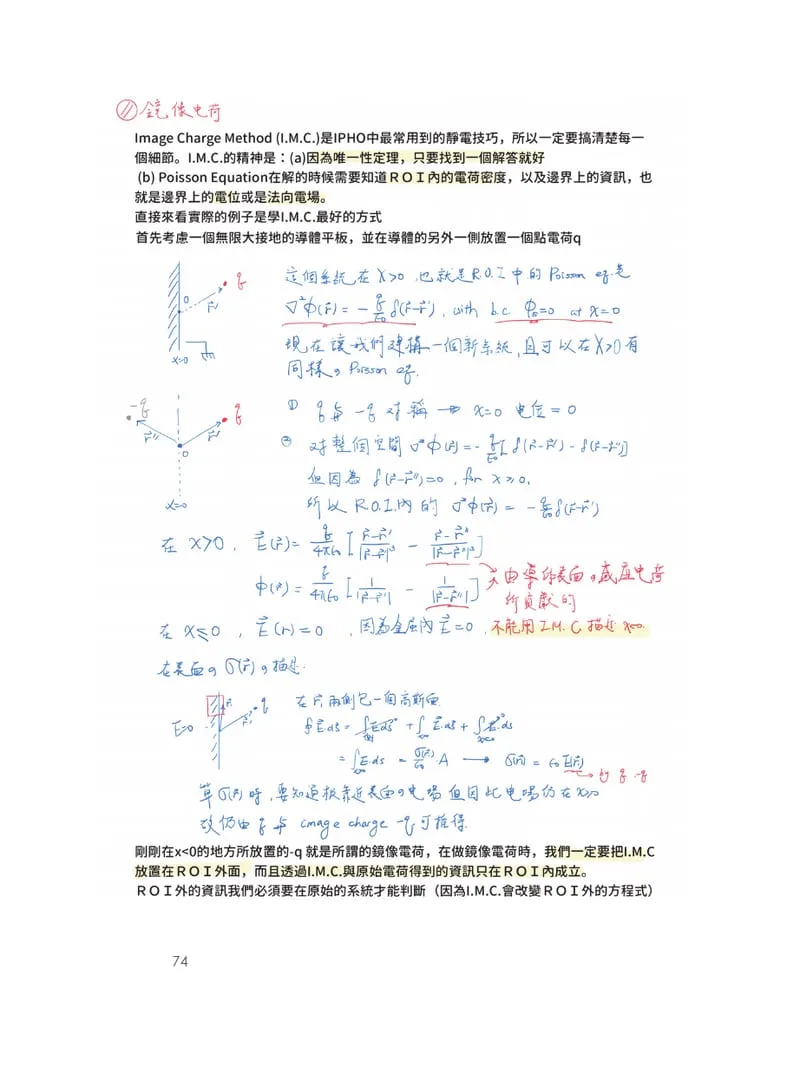
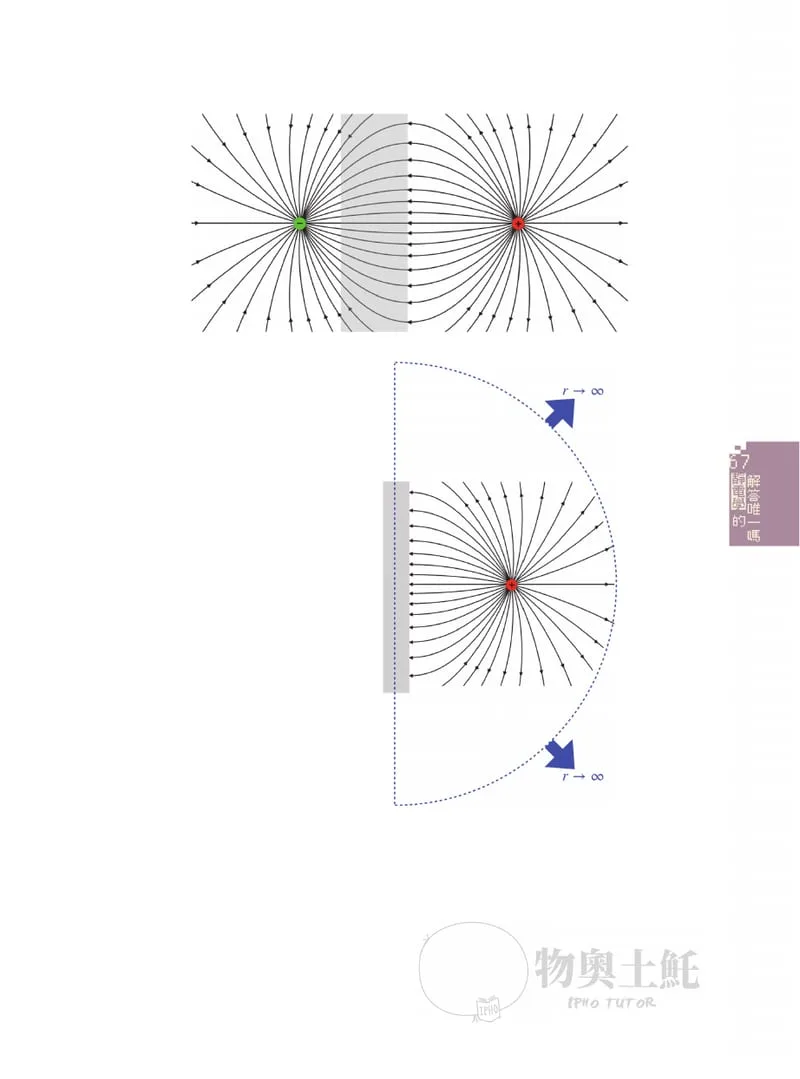
09 九ヶ月目 · PP. 74–75The image-charge method, handwritten, beside field-line diagrams.
READING NOTE
What this page shows
The handbooks are not distributed outside the course — every cover says 嚴禁外傳, “not for distribution”. This page shows a selection as printed: the covers and spines, the contents and lecture openers, Lecture 47 in full and seventeen spreads from the nine months. There is no PDF to download, and the LINE ID on the covers is blurred.